
AI Tools Expert & Founder
Quick answer
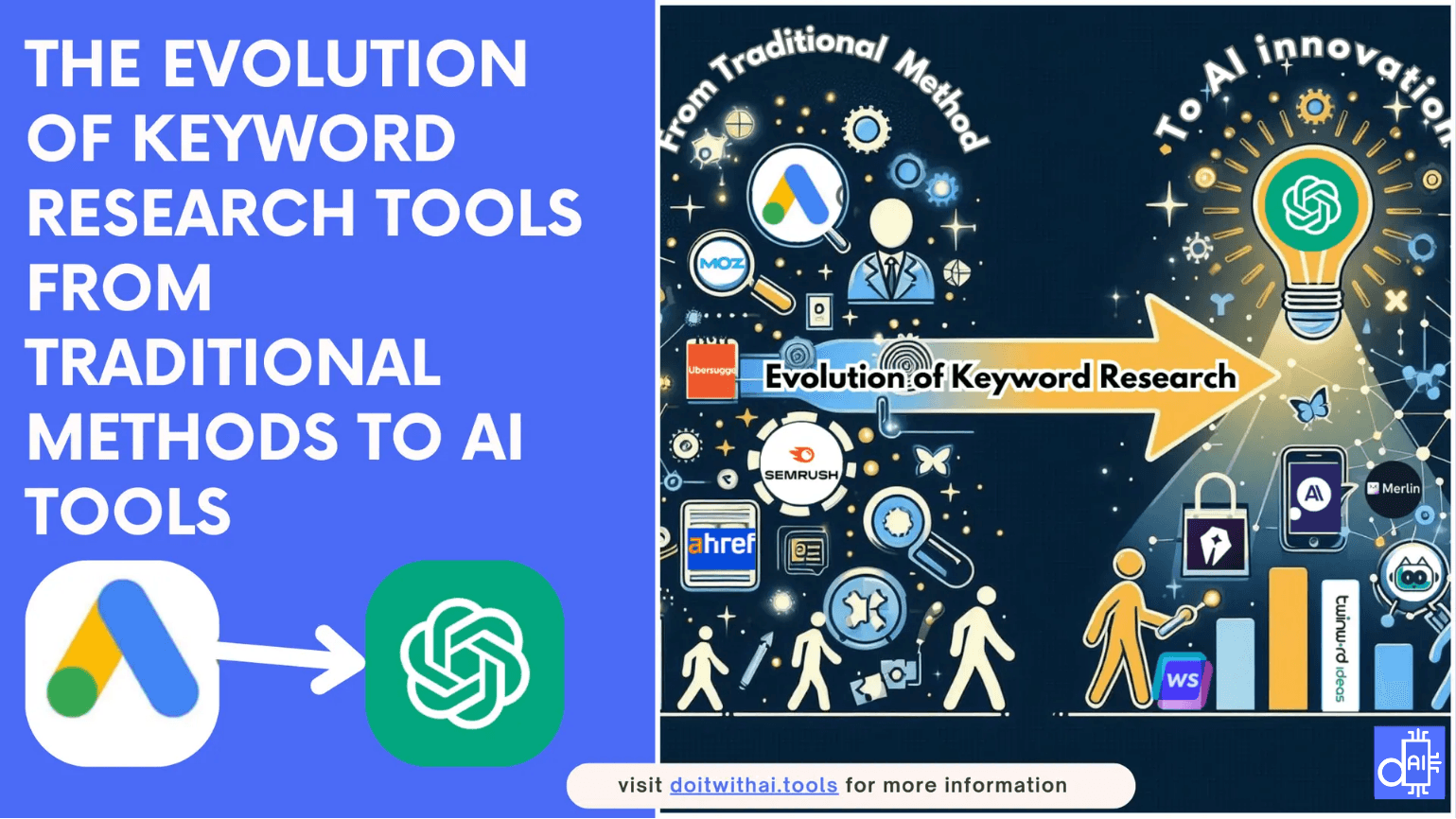
What is the difference between AI and traditional keyword research?
AI keyword research excels at fast topic brainstorming, phrasing variations, semantic grouping, and mapping reader tasks. Traditional keyword research relies on search-console and database metrics to verify actual search demand and ranking competition. The strongest SEO workflow uses AI for ideation and clustering, then validates priority topics with real search data.
Combine keyword data with AI assistance by collecting evidence first, organizing it second, and reviewing the reader's task before choosing a page.
This guide compares their roles and shows a practical workflow. The useful distinction is the source of evidence, rather than whether a tool uses AI.
Research platforms and AI assistants do different jobs
A keyword platform provides estimates or observations based on its data sources. An assistant can generate ideas and interpret the data it receives.
A modern research platform may also use machine learning. A chatbot may connect to current sources. The categories overlap.
Check the data behind each feature instead of assuming 'traditional' means outdated or 'AI-powered' means more accurate.
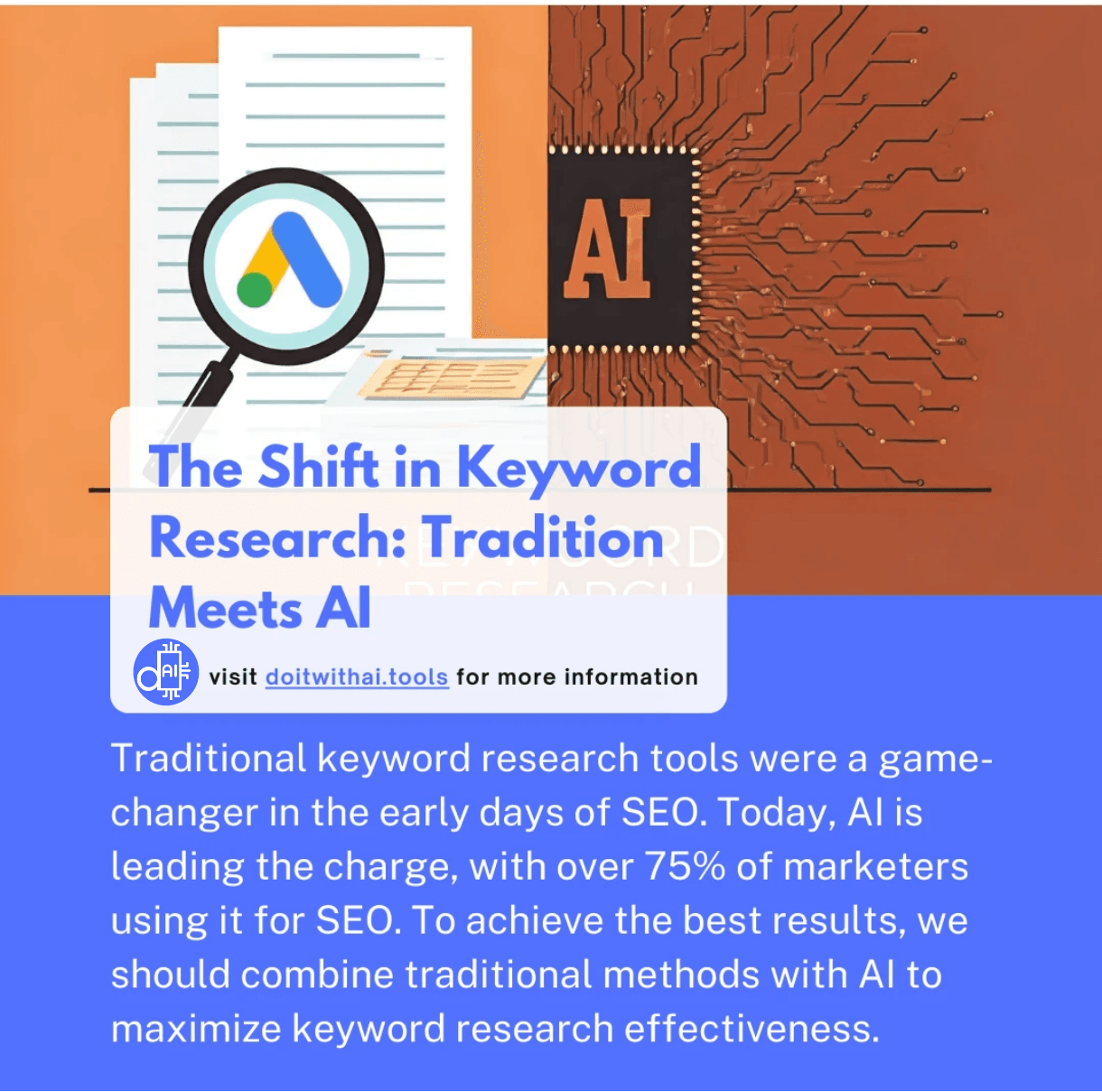
Combine measured evidence with reviewed suggestions. Neither category guarantees rankings.

Manual judgment remains useful for relevance, business fit, and page purpose.
Where each approach helps
Collecting estimates and observations
Use research sources for volume estimates, trend data, current search results, and reported query performance.
Keep the source and settings with the values. Data from different providers may describe different markets or group phrases differently.
Expanding and organizing ideas
Use an assistant to suggest related tasks, remove obvious duplicate phrasing, and propose provisional groups.
Check those groups yourself. Similar wording may serve different needs, while different wording can belong on the same page.
Choosing what to publish
Use editorial judgment to decide whether you can answer the task well. Relevant experience and useful examples matter more than generating a large list.
An assistant's priority order is a recommendation. Ask what evidence supports it and reject invented metrics.
Understand the numbers before comparing tools
Search volume
Volume is an estimate or aggregate for particular settings. It is not a forecast of visits your page will receive.
Advertising competition and CPC
Advertising competition concerns advertisers, while CPC concerns paid clicks. Neither is an organic ranking difficulty score.
Organic keyword difficulty
Difficulty is provider-defined. Review its methodology and the actual result set, rather than treating a number as a ranking promise.
Relative interest
Google Trends uses a normalized index. A value of 100 is a relative peak for the selected comparison, rather than 100 monthly searches.
Your site's search performance
Search Console reports how your site appeared in Search. It helps evaluate current pages without revealing the entire market's demand.
Step 1: collect a small, relevant keyword set
Start with a customer task and your existing pages. Gather related terms from suitable research sources and actual audience questions.
Record the market, language, date range, source, and page purpose. Keep missing values unknown.
Avoid choosing only the biggest keyword. Check whether the current results favor the type of page you can create.
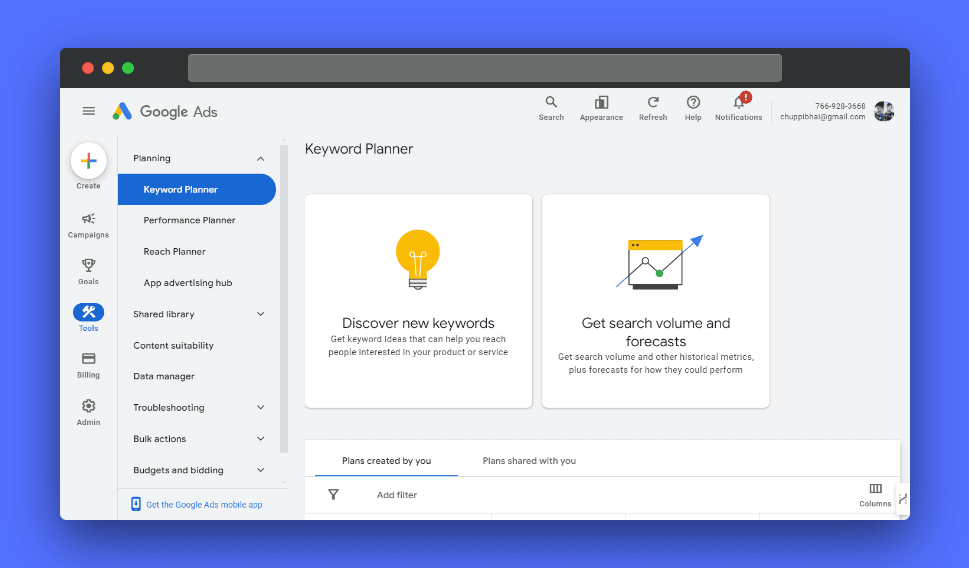
Keyword Planner supports advertising research. Interpret its data according to the metric's purpose.
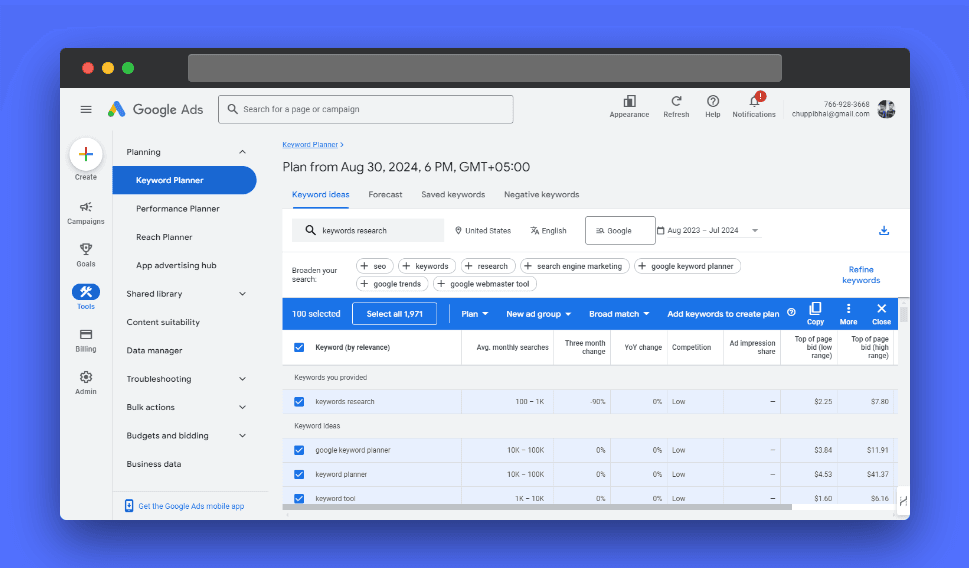
Record the selected settings when exporting or comparing estimates.
Step 2: let AI organize the evidence
1
2
3
4
5
6
7
8
Organize this keyword research export for content planning.
Source and settings: [provider, date, market, language]
Reader task: [task]
Existing pages: [URLs and purposes]
Data: [rows with IDs]
Preserve numeric values exactly. Leave unknown fields unknown.
Suggest groups by task and provisional intent, with each original row ID.
Flag uncertain decisions and conflicting data. Do not invent difficulty, volume, traffic, or trends.
Check whether every original row was processed. Spot-check numbers and groups against the source export.
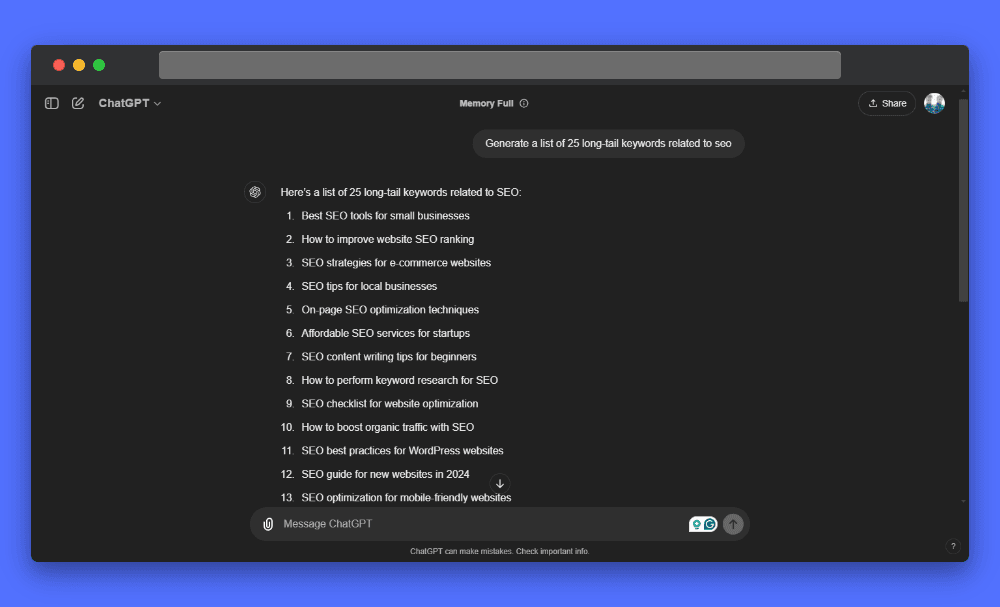
Generated phrases are candidates. Confirm relevance and supporting evidence.
Step 3: compare search results and page boundaries
Review current results in your target market. Check the dominant formats and the tasks competing pages answer.
A tool query may need an interactive result. A workflow query may need instructions and examples.
For example, 'meta title generator' and 'review AI-generated meta titles' can imply different tasks. Validate that distinction in the actual results.
Add related questions to one useful guide when they belong together. Create another page only when it serves a distinct purpose.
Use the Keyword Clustering Tool
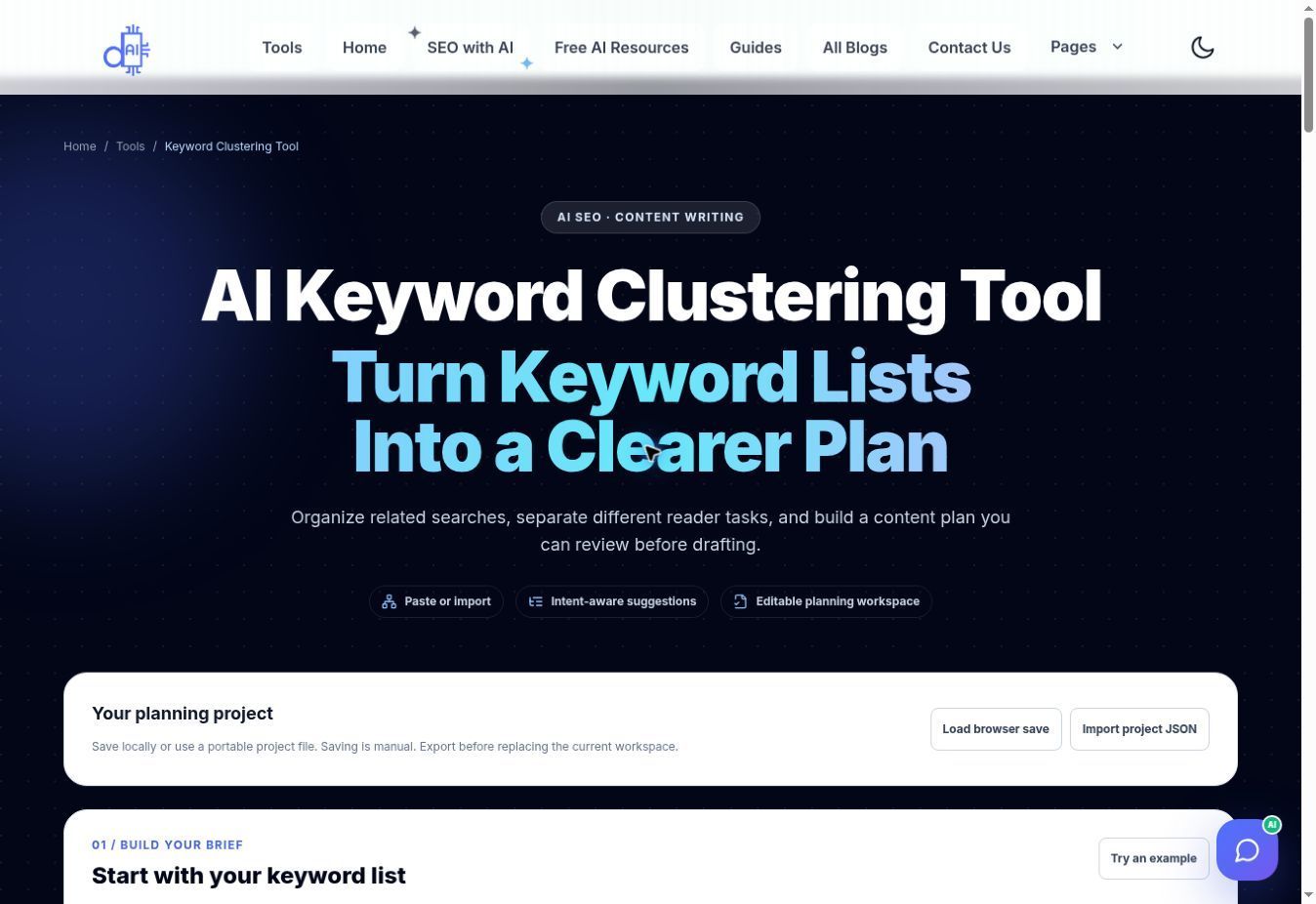
Review proposed groups before using them as page boundaries.
Step 4: choose opportunities your site can support
Evaluate audience relevance, useful evidence, existing coverage, the competing format, and the effort required.
A narrow topic can be worthwhile when it serves a real task and related queries. Low estimated volume alone does not settle that decision.
Likewise, adding 'with AI' or a year to a broad keyword does not automatically create easier competition.
Plan a page that offers a useful workflow, worked example, or troubleshooting explanation that you can substantiate.
Step 5: build a brief and measure the result
Record the primary task, related questions, examples, sources, and internal links. Keep the page purpose distinct from nearby guides.
After publishing, review query and page performance over comparable periods. Revisit mismatches between the task and the page.
A topical map can reveal possible related coverage. It does not prove demand or establish authority by itself.
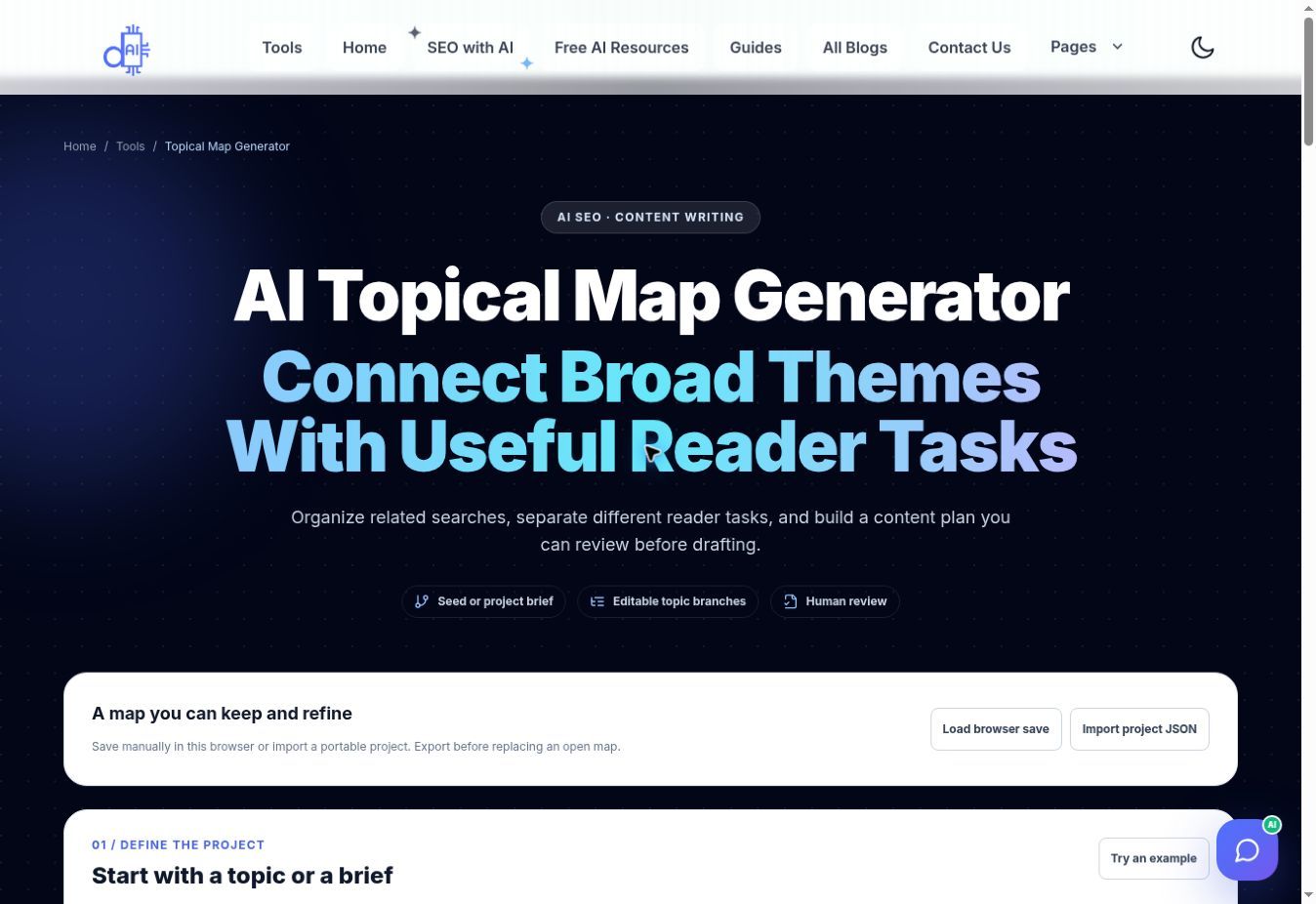
Validate proposed topics before committing to a publishing plan.
How to assess a keyword tool
Compare tools by the task you need, then check their data sources and available access.
Compare AI keyword tools for blog planning
Check data coverage, market settings, update frequency, export options, methodology, and privacy needs.
For an AI feature, ask whether its numbers come from a research database or from generated text.
Test a small list against known source data. Review unsupported claims of exact volume, guaranteed accuracy, or automatic trend prediction.
Check current plans and limits directly. Popularity, an AI label, and a screenshot are not proof that a tool fits your task.
Historical interface examples
A browser assistant can help extract candidate phrases from an accessible page. Verify metrics before treating those phrases as opportunities.
Read the Merlin AI Chrome extension review
These screenshots illustrate earlier research tools and assistants. They are not current pricing comparisons or endorsements of guaranteed performance.
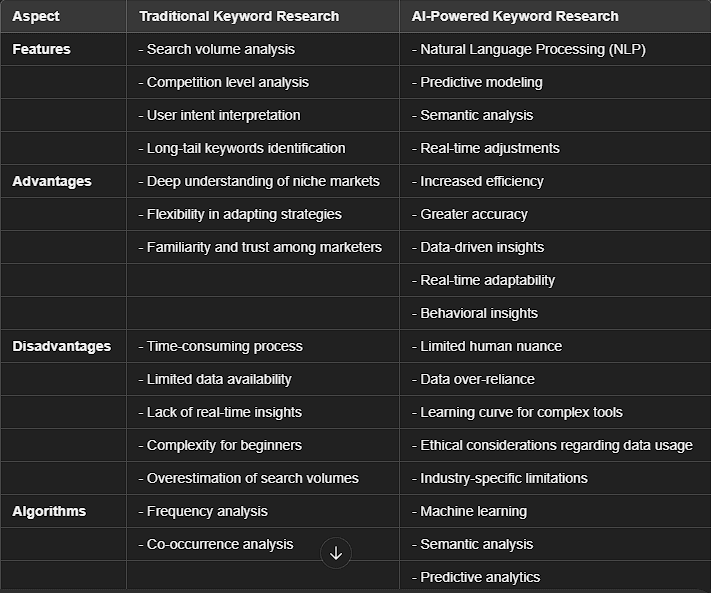
Historical interface example. Verify current features, source settings, and metrics; generated figures require independent evidence.
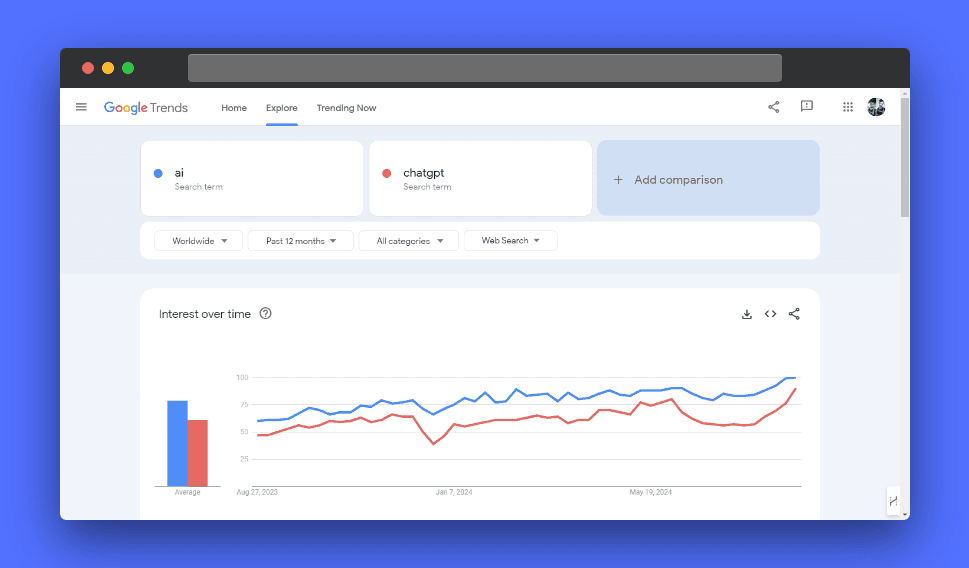
Historical interface example. Verify current features, source settings, and metrics; generated figures require independent evidence.
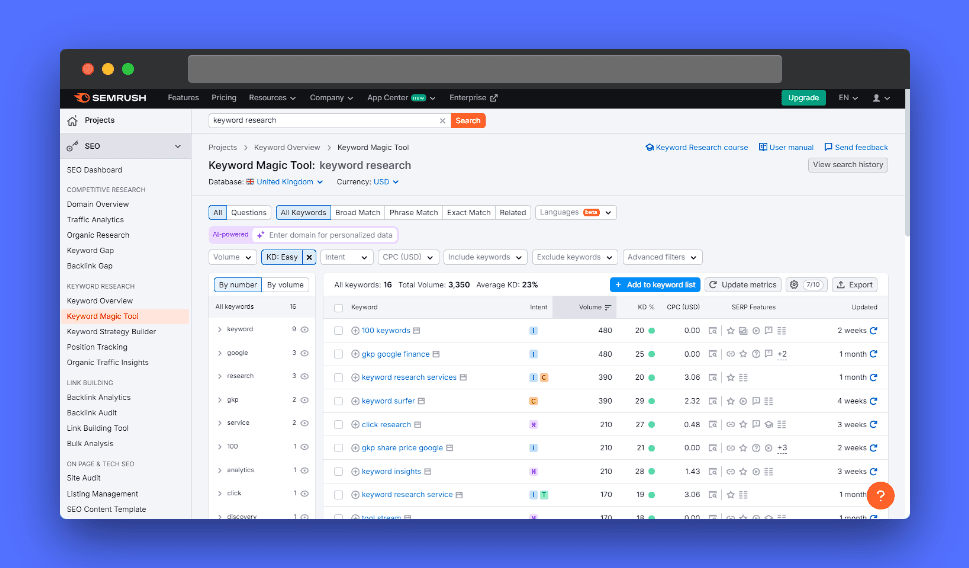
Historical interface example. Verify current features, source settings, and metrics; generated figures require independent evidence.
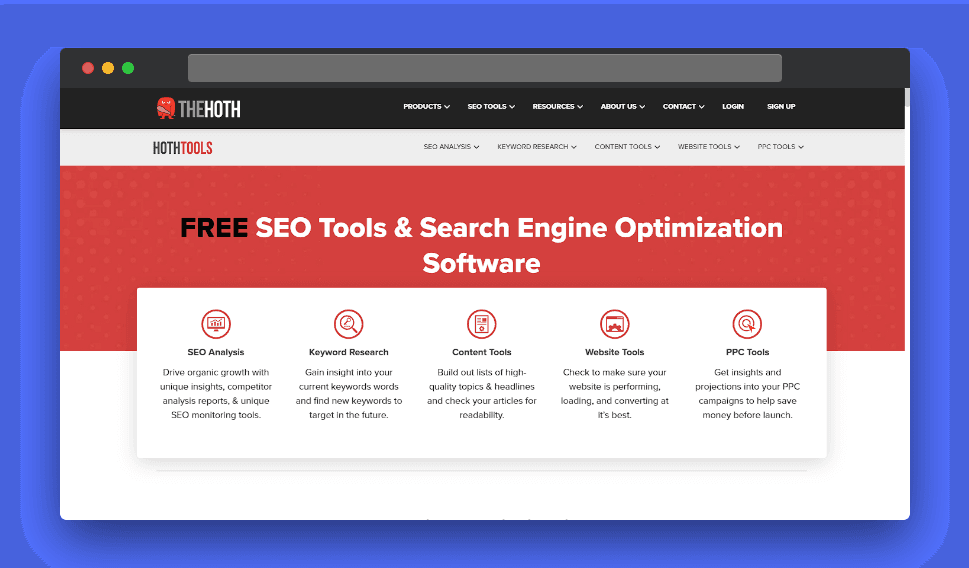
Historical interface example. Verify current features, source settings, and metrics; generated figures require independent evidence.
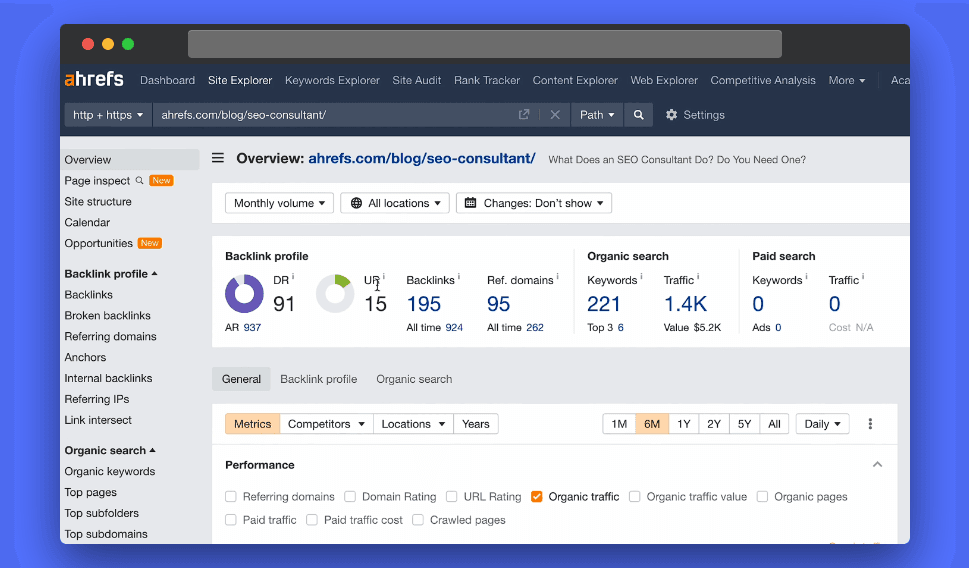
Historical interface example. Verify current features, source settings, and metrics; generated figures require independent evidence.
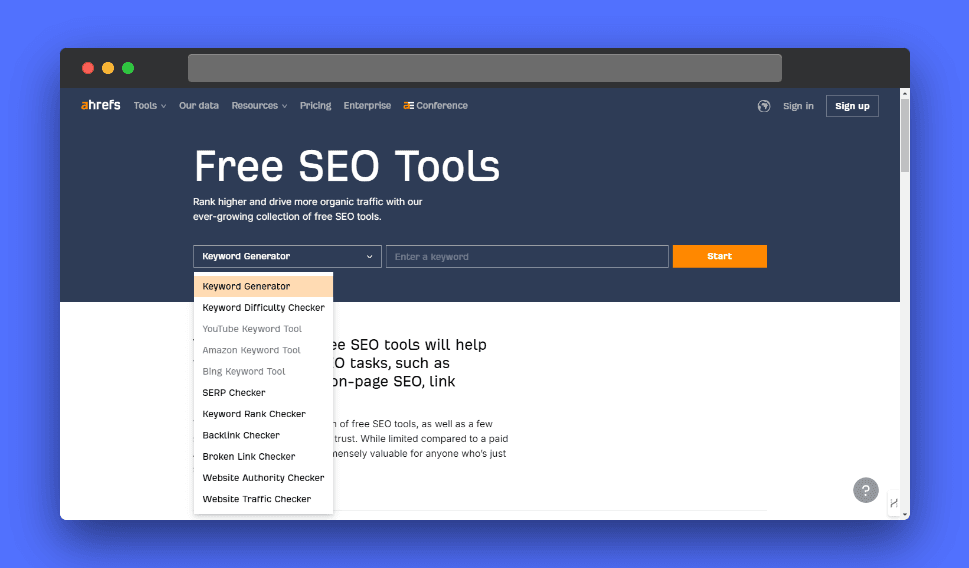
Historical interface example. Verify current features, source settings, and metrics; generated figures require independent evidence.
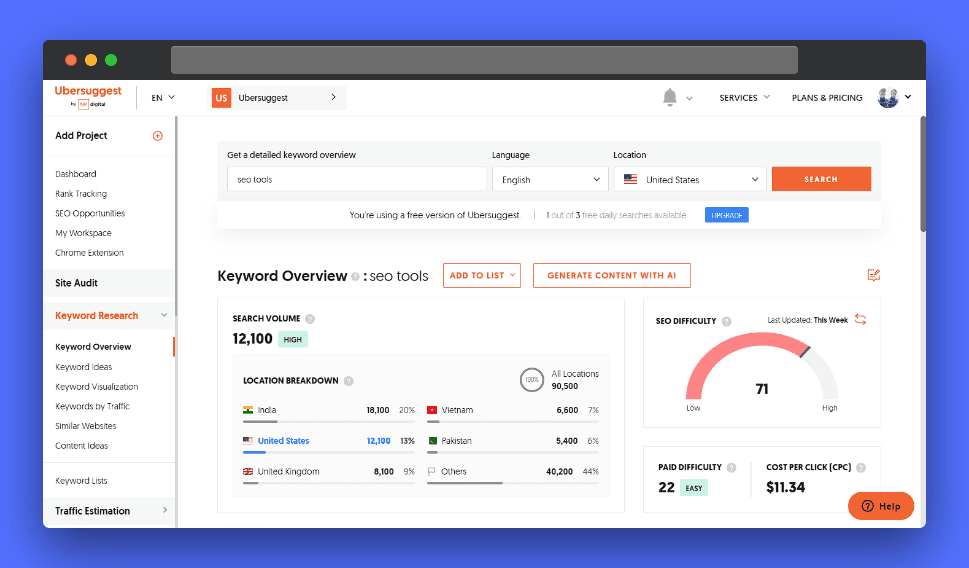
Historical interface example. Verify current features, source settings, and metrics; generated figures require independent evidence.
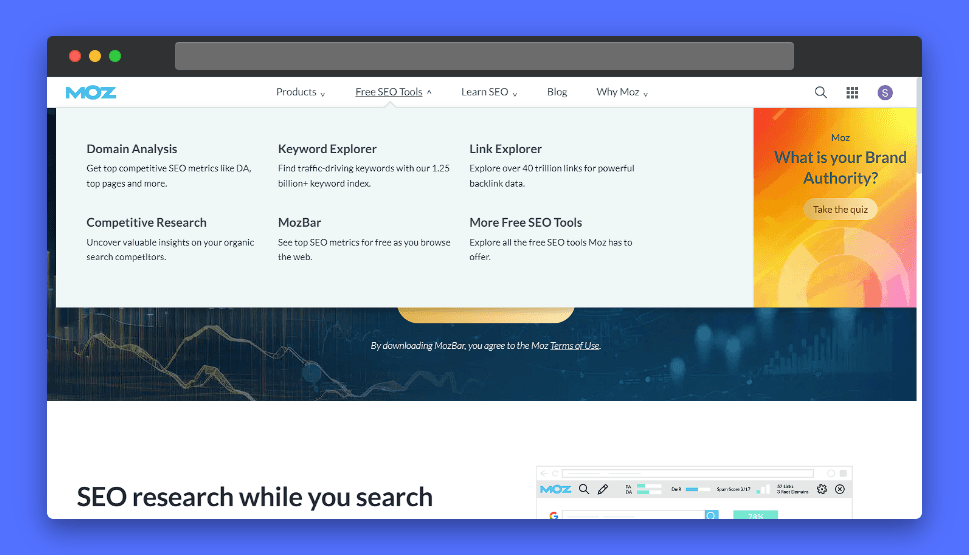
Historical interface example. Verify current features, source settings, and metrics; generated figures require independent evidence.
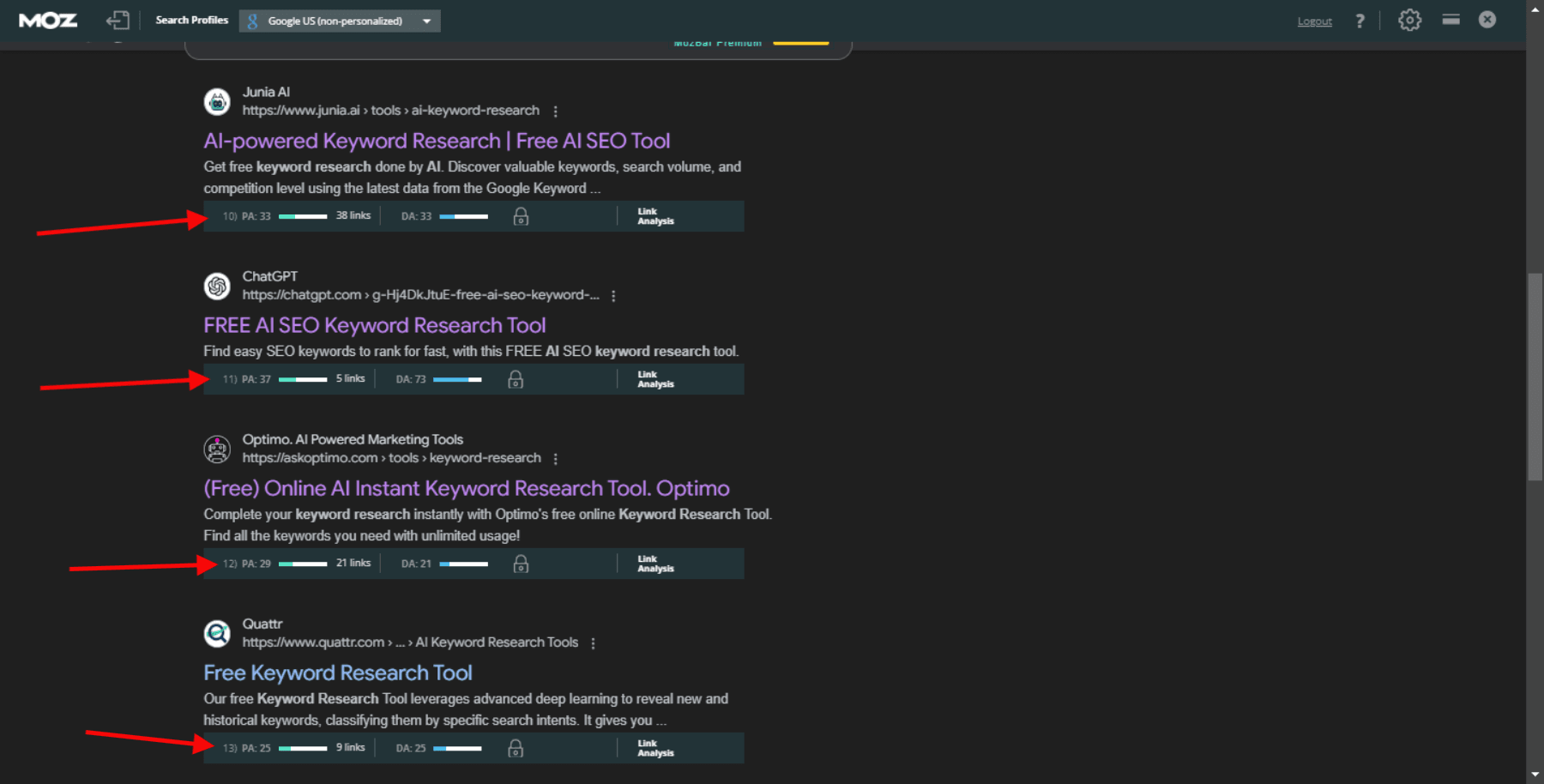
Historical interface example. Verify current features, source settings, and metrics; generated figures require independent evidence.
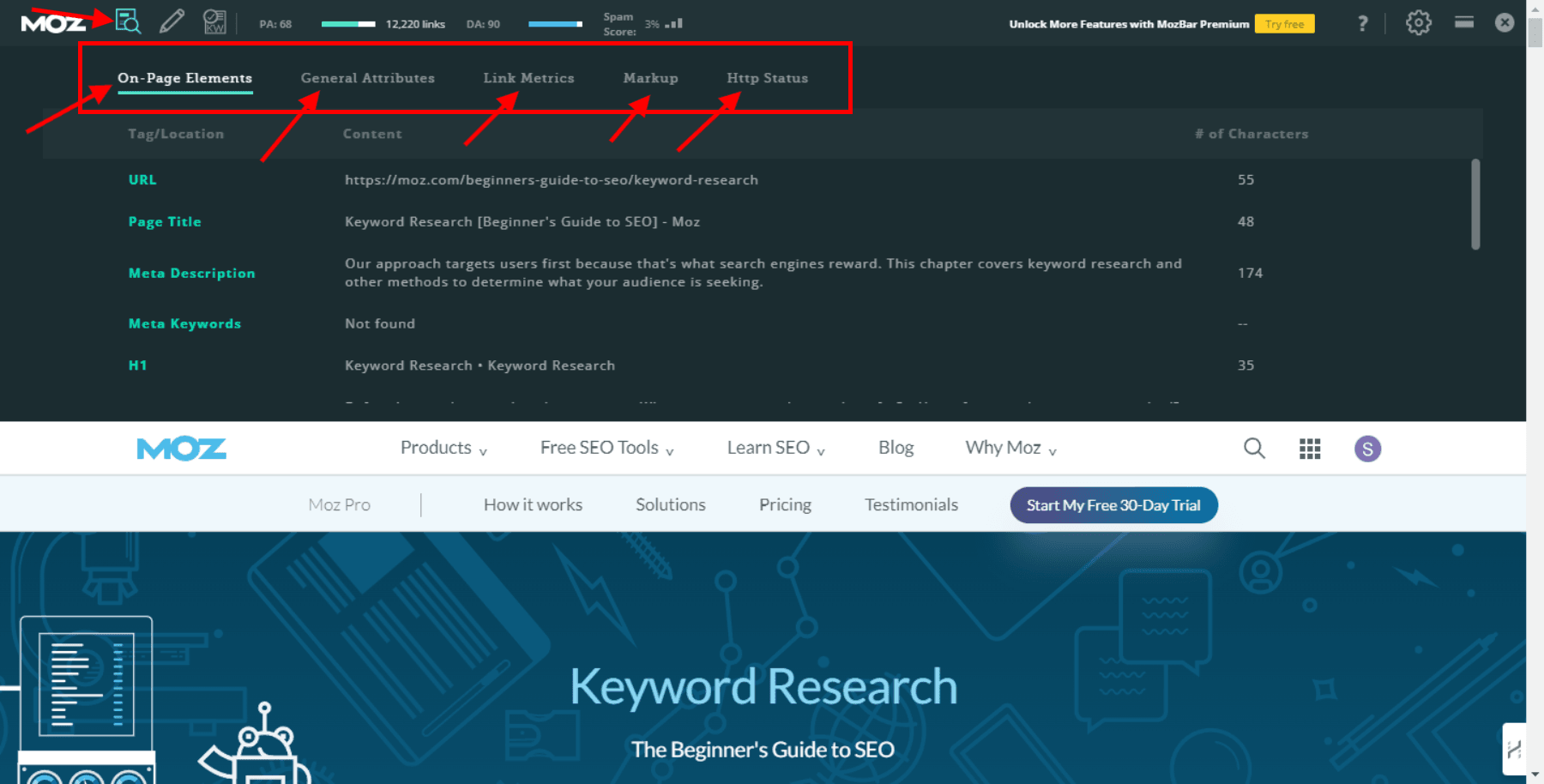
Historical interface example. Verify current features, source settings, and metrics; generated figures require independent evidence.
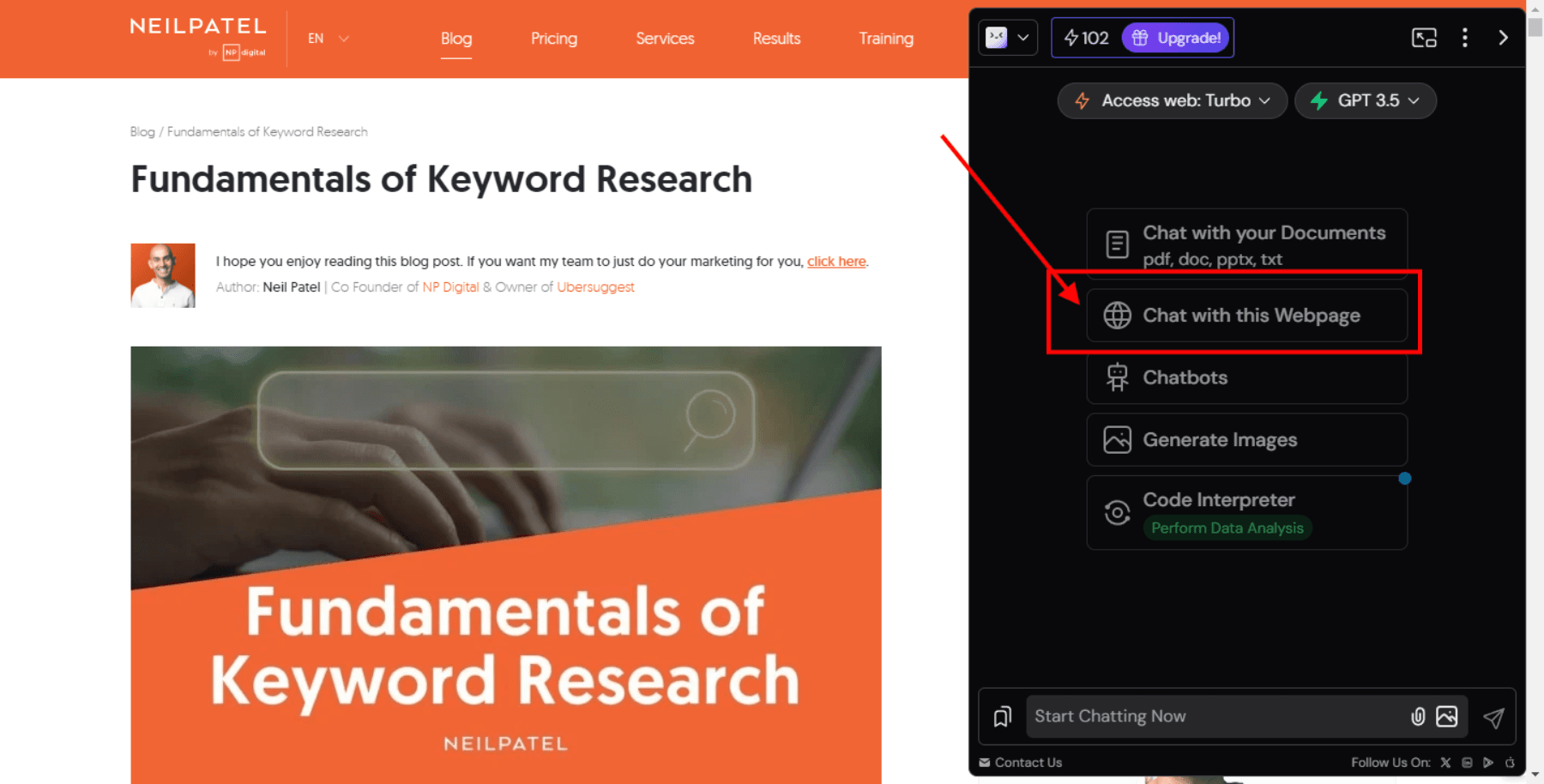
Historical interface example. Verify current features, source settings, and metrics; generated figures require independent evidence.
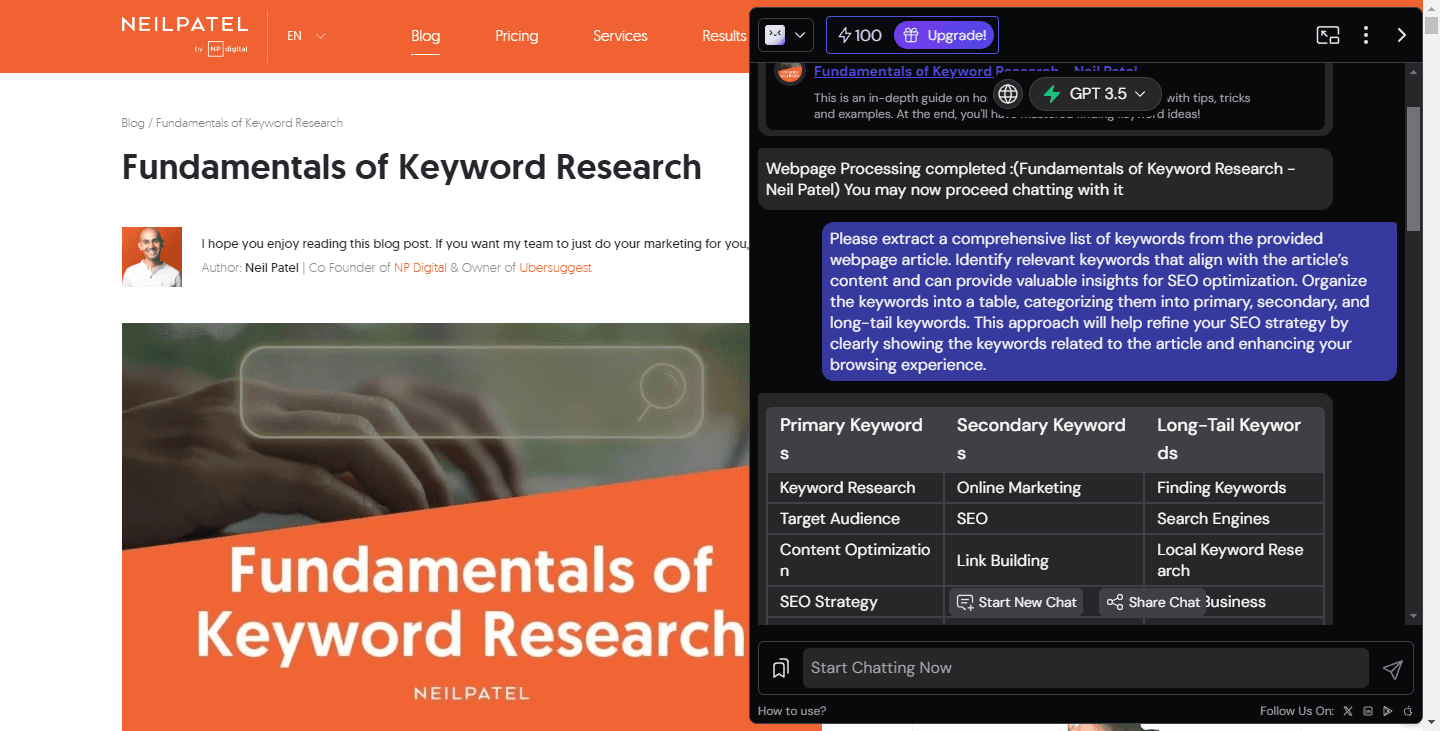
Historical interface example. Verify current features, source settings, and metrics; generated figures require independent evidence.
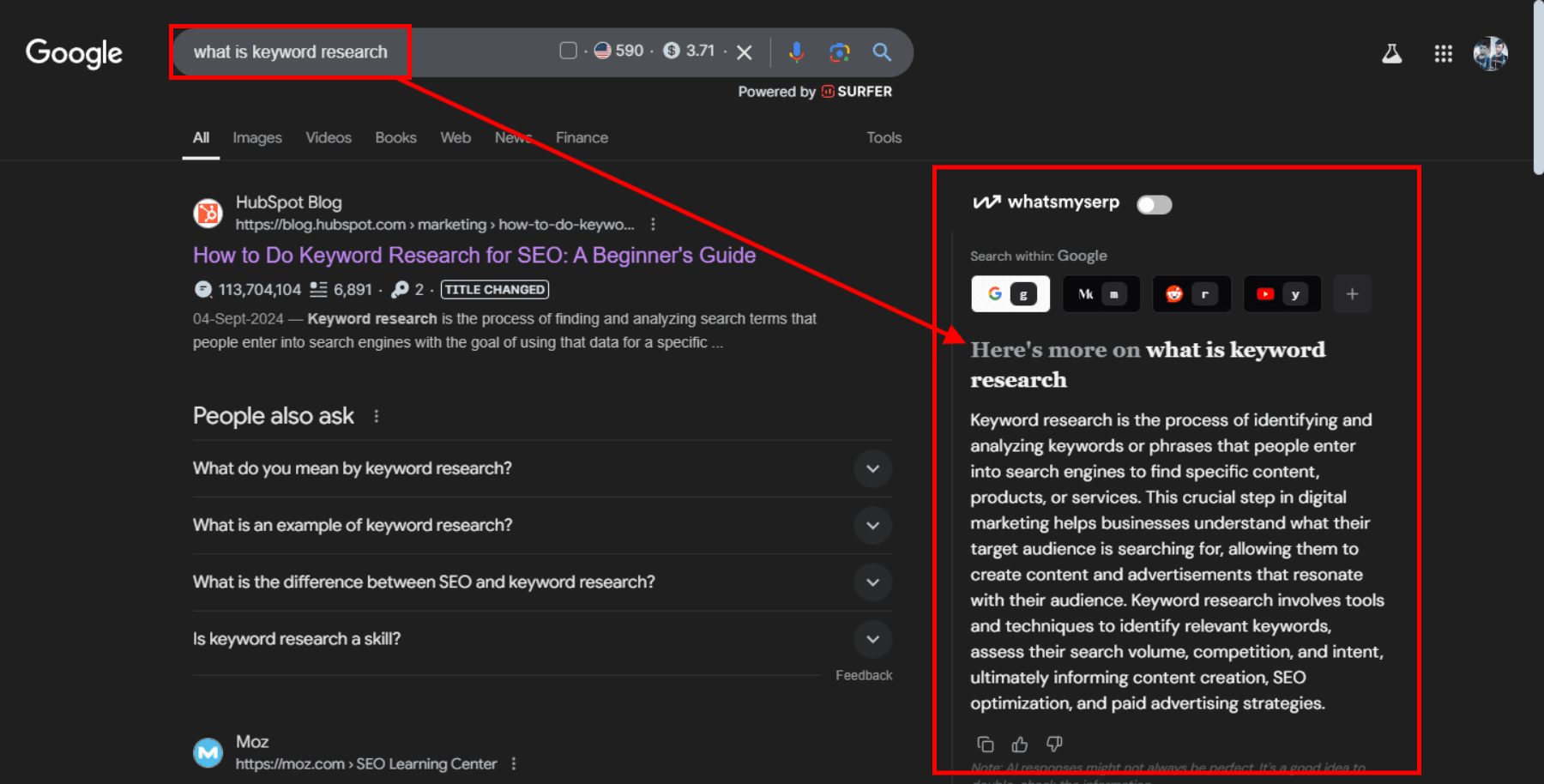
Historical interface example. Verify current features, source settings, and metrics; generated figures require independent evidence.
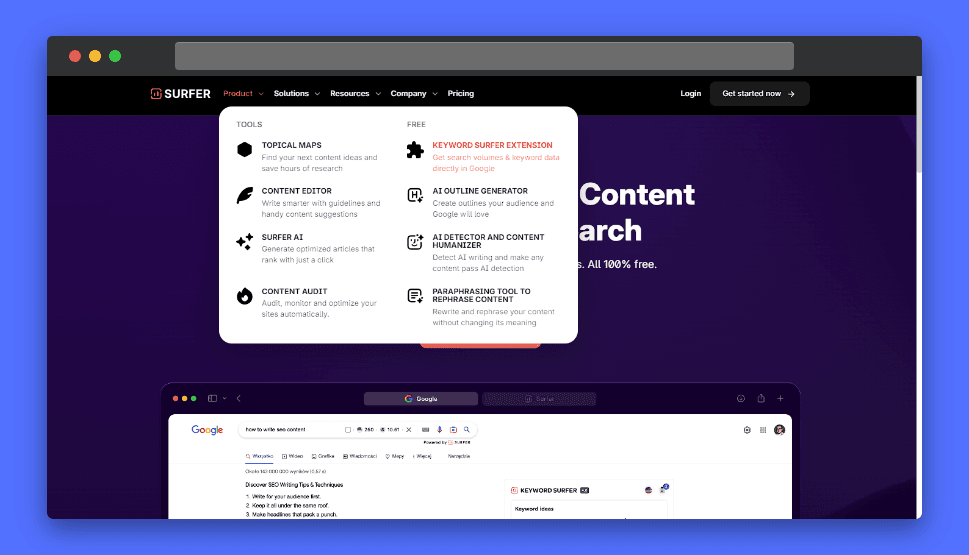
Historical interface example. Verify current features, source settings, and metrics; generated figures require independent evidence.
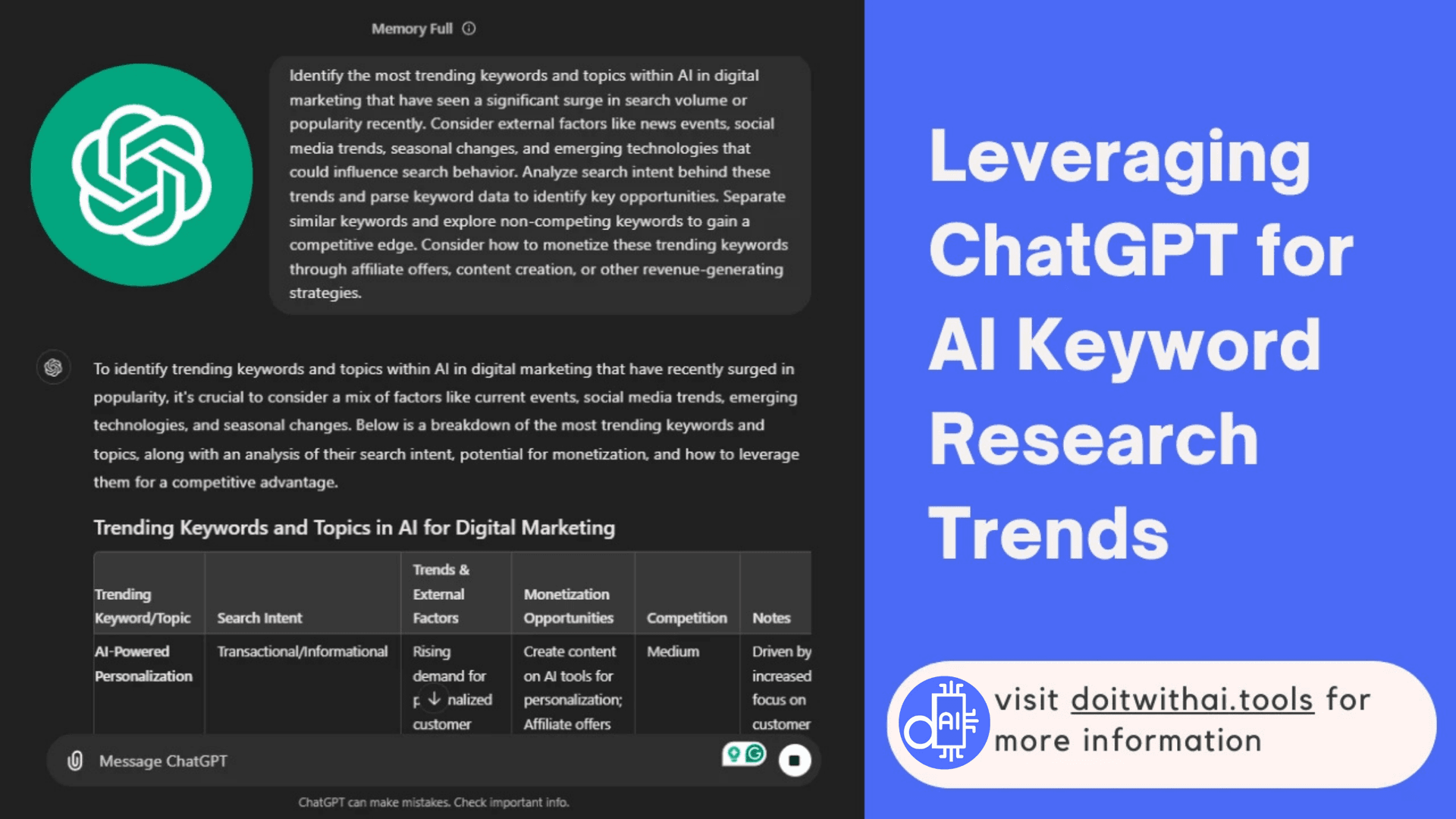
Historical interface example. Verify current features, source settings, and metrics; generated figures require independent evidence.
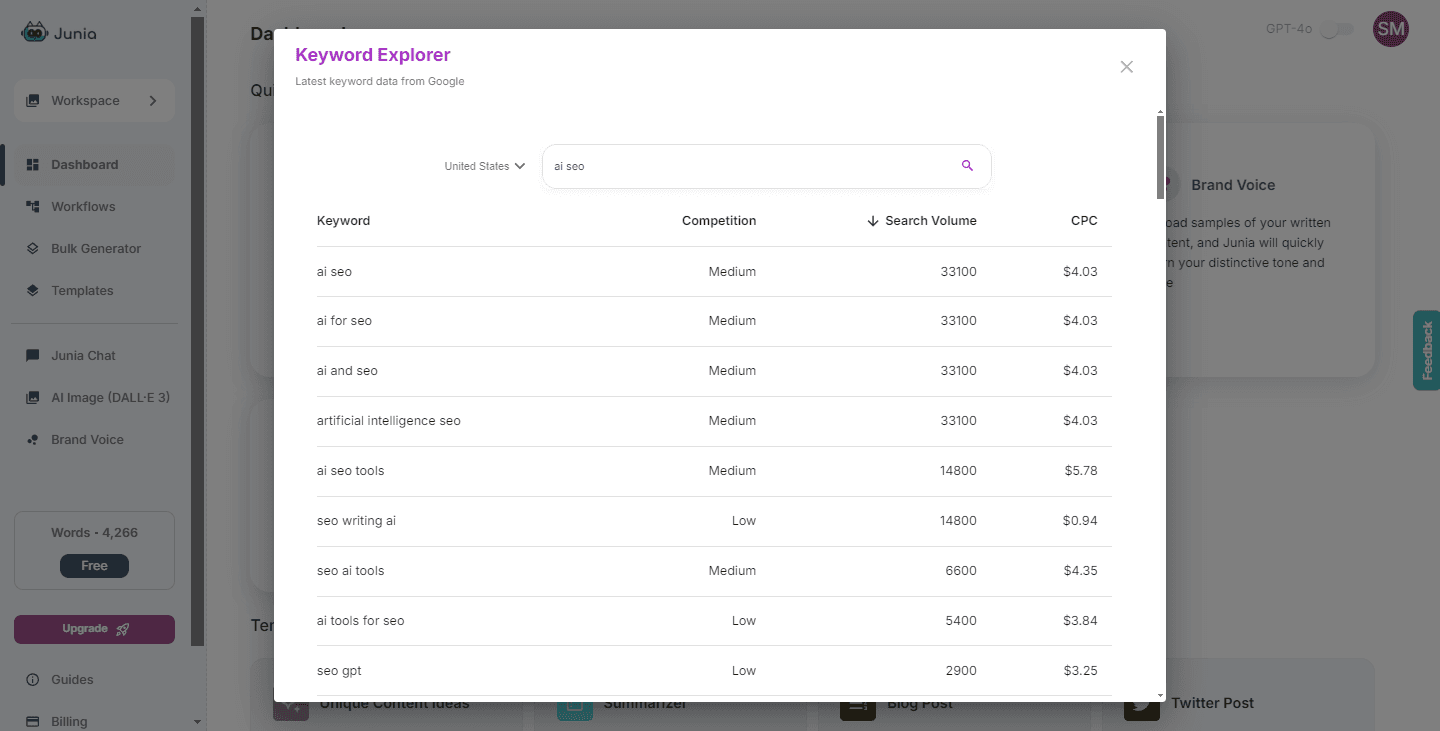
Historical interface example. Verify current features, source settings, and metrics; generated figures require independent evidence.
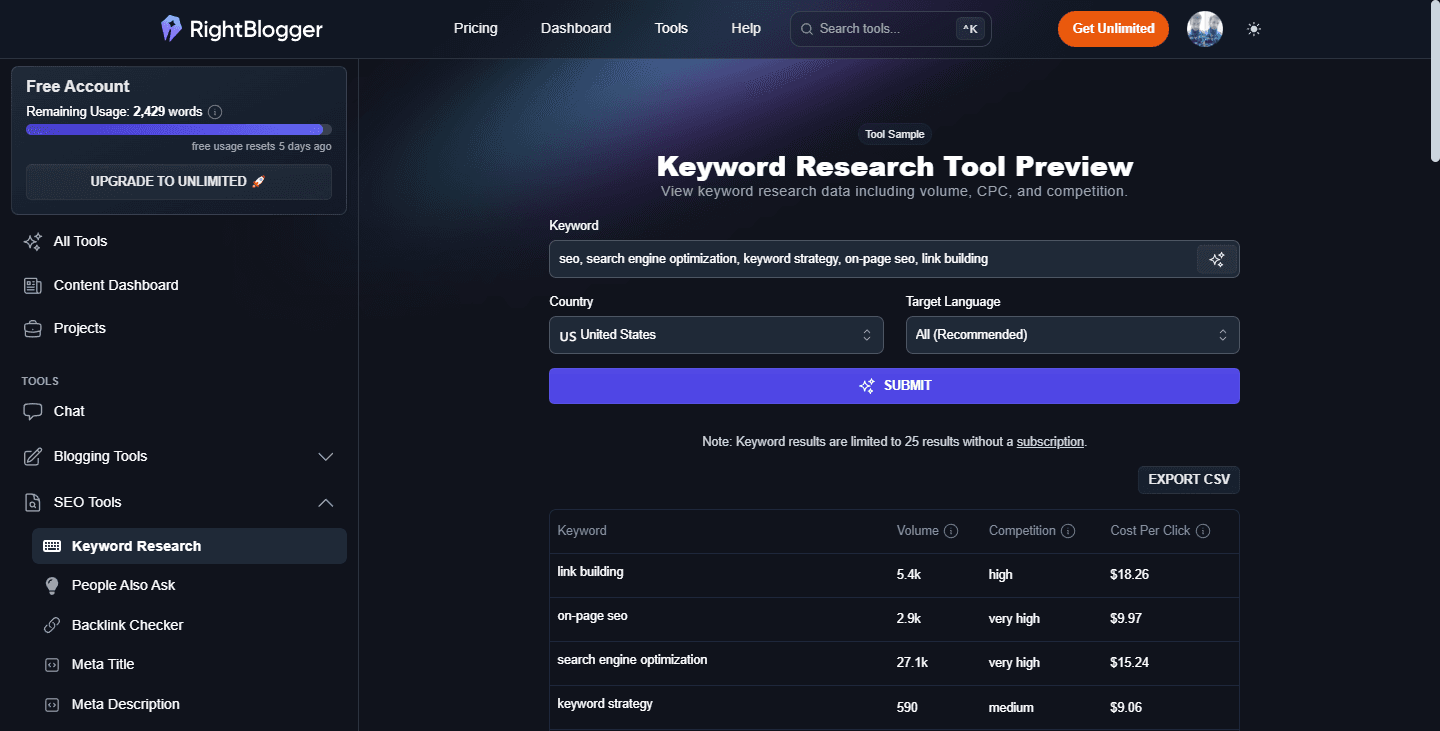
Historical interface example. Verify current features, source settings, and metrics; generated figures require independent evidence.
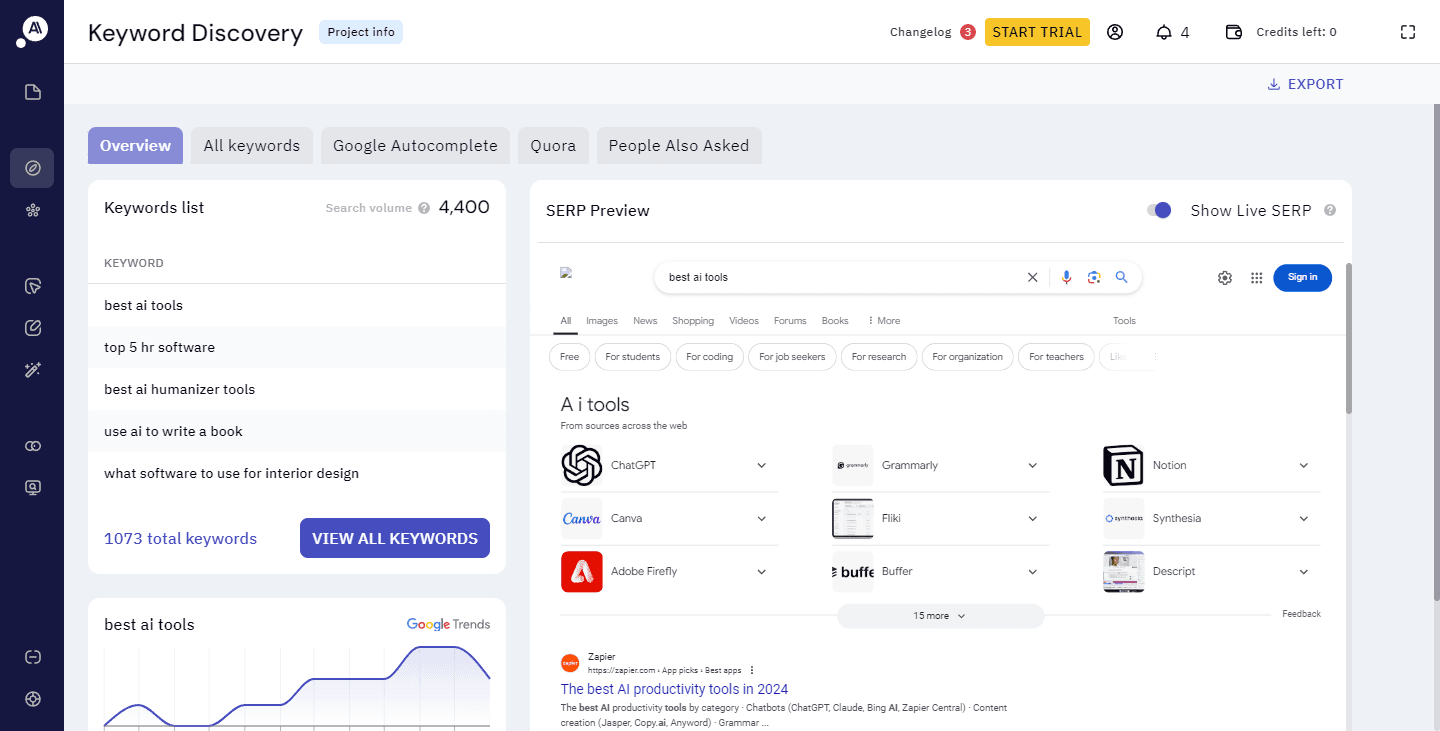
Historical interface example. Verify current features, source settings, and metrics; generated figures require independent evidence.
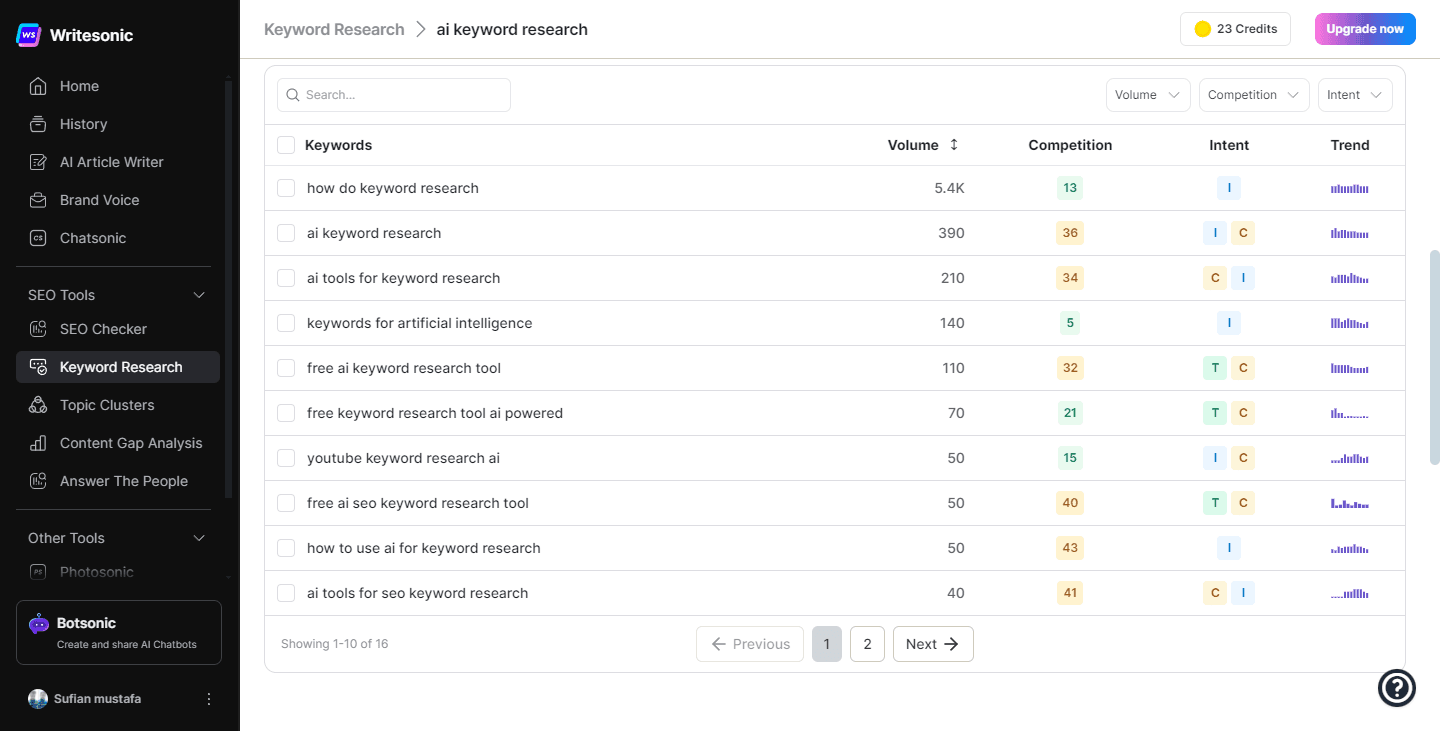
Historical interface example. Verify current features, source settings, and metrics; generated figures require independent evidence.
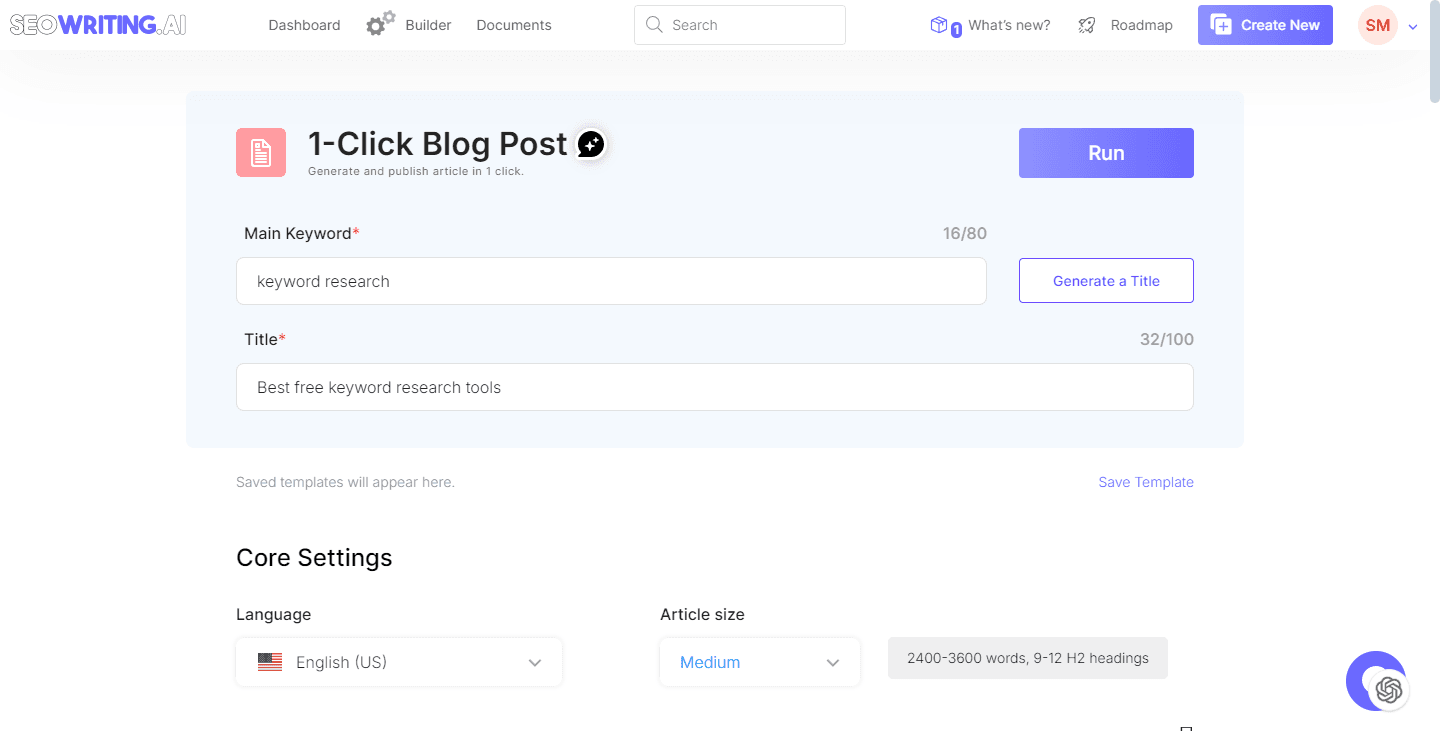
Historical interface example. Verify current features, source settings, and metrics; generated figures require independent evidence.
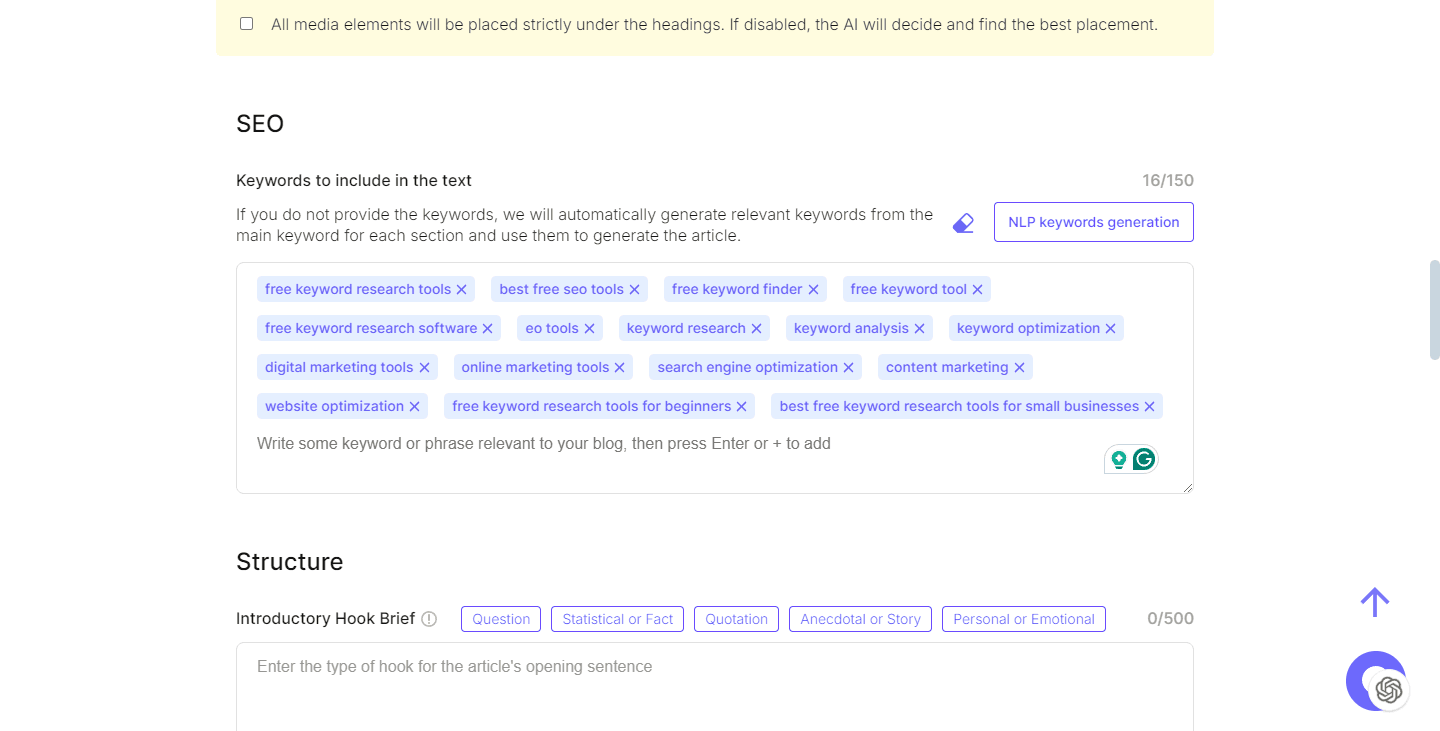
Historical interface example. Verify current features, source settings, and metrics; generated figures require independent evidence.
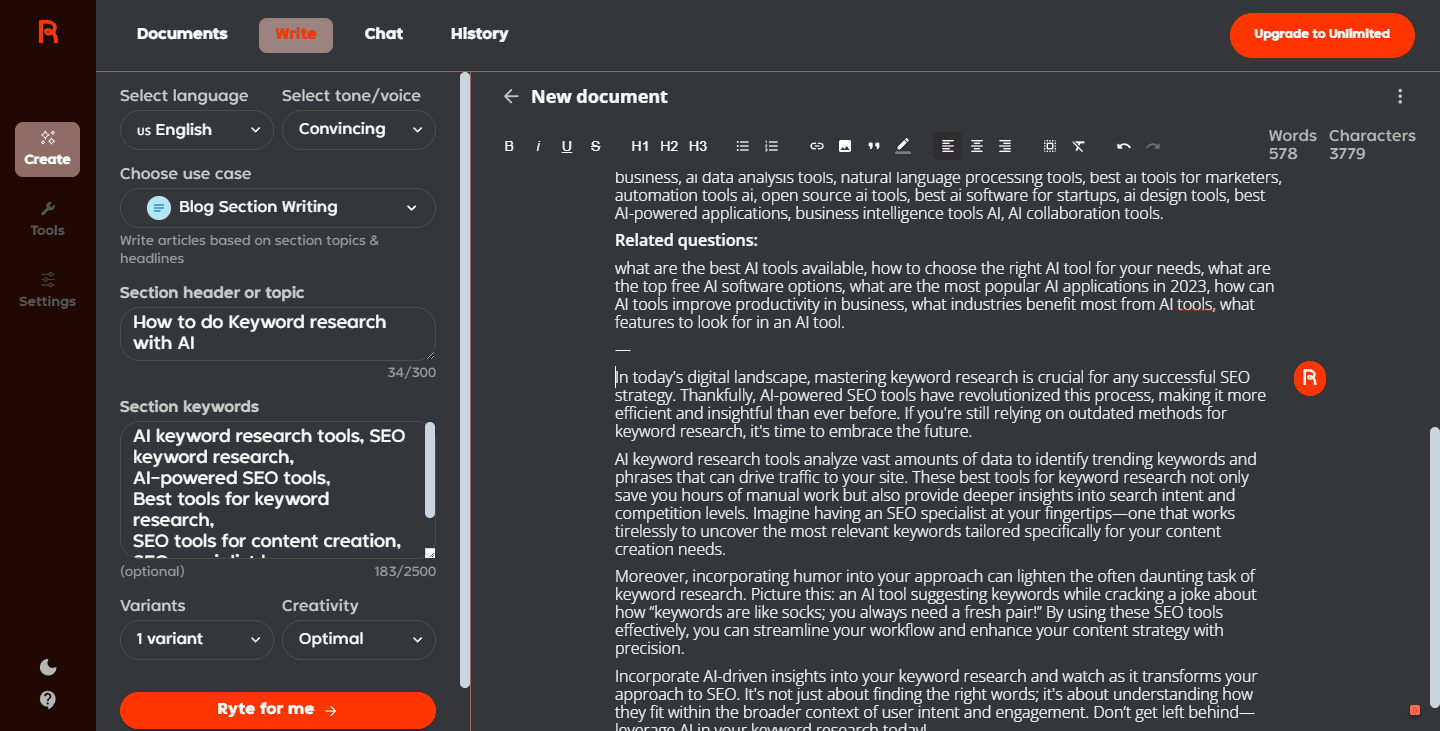
Historical interface example. Verify current features, source settings, and metrics; generated figures require independent evidence.
Common mistakes when combining AI and research data
Treating generated volumes as measured data, comparing mismatched markets, and confusing paid competition with organic difficulty.
Assuming an AI tool is current without checking its source, or assuming a long phrase is easy to rank for.
Publishing one page per wording variation, copying competitor coverage, and chasing a tool score instead of answering the reader's task.
Collect evidence, use AI to organize it, and make the final editorial decision with the limitations visible.
Frequently Asked Questions
Find quick answers to common questions
Accuracy depends on sources, settings, methodology, and review. An AI label does not establish reliable metrics.
Use an assistant for ideas and organization. Keep suitable sources for demand estimates and reported performance.
No. Advertising competition describes advertisers, rather than organic ranking difficulty.
A prediction requires identified data and a suitable method. Generated trends are not verified forecasts.
Providers can use different sources, settings, timeframes, and grouping methods. Compare their definitions before comparing figures.
It indicates a relative peak within the selected comparison, rather than an absolute monthly search count.
Still have questions? Contact our support team for personalized assistance.
Sufian Mustafa
Sufian Mustafa is an AI SEO Strategist, Developer, and the founder of Do It With AI Tools.
Following an 18-month deep-dive into AI-assisted development, Sufian built this platform from the ground up to serve as a hub for battle-tested workflows and practical AI resources.
By combining technical expertise with advanced prompt engineering, he builds high-performance content engines optimized for modern AI search (GEO/AEO)
Mission: Help creators 10x their productivity using the same strategies he uses to maintain 99% technical SEO health and top rankings.