
AI Tools Expert & Founder
Quick answer
How can you use AI for target audience research?
Feed real customer questions, support notes, or product details into an AI audience workflow to summarize pain points, buying objections, and search questions by stage. Treat AI personas as hypotheses and ground them in real customer evidence.
ChatGPT can help organize audience research and draft a buyer persona. It cannot establish who your customers are from a business description alone.
Start with real questions, interviews, feedback, and relevant data. Use AI to summarize that evidence, while keeping guesses clearly labeled.
Audience research and personas have different jobs
Audience research investigates people's needs, tasks, constraints, and behavior. A persona summarizes useful patterns from that research.
An attractive profile with a name, age, income, and hobbies can still be fictional. Include a detail only when it informs a decision.
Do not infer customer preferences from gender, marital status, or other demographic stereotypes.
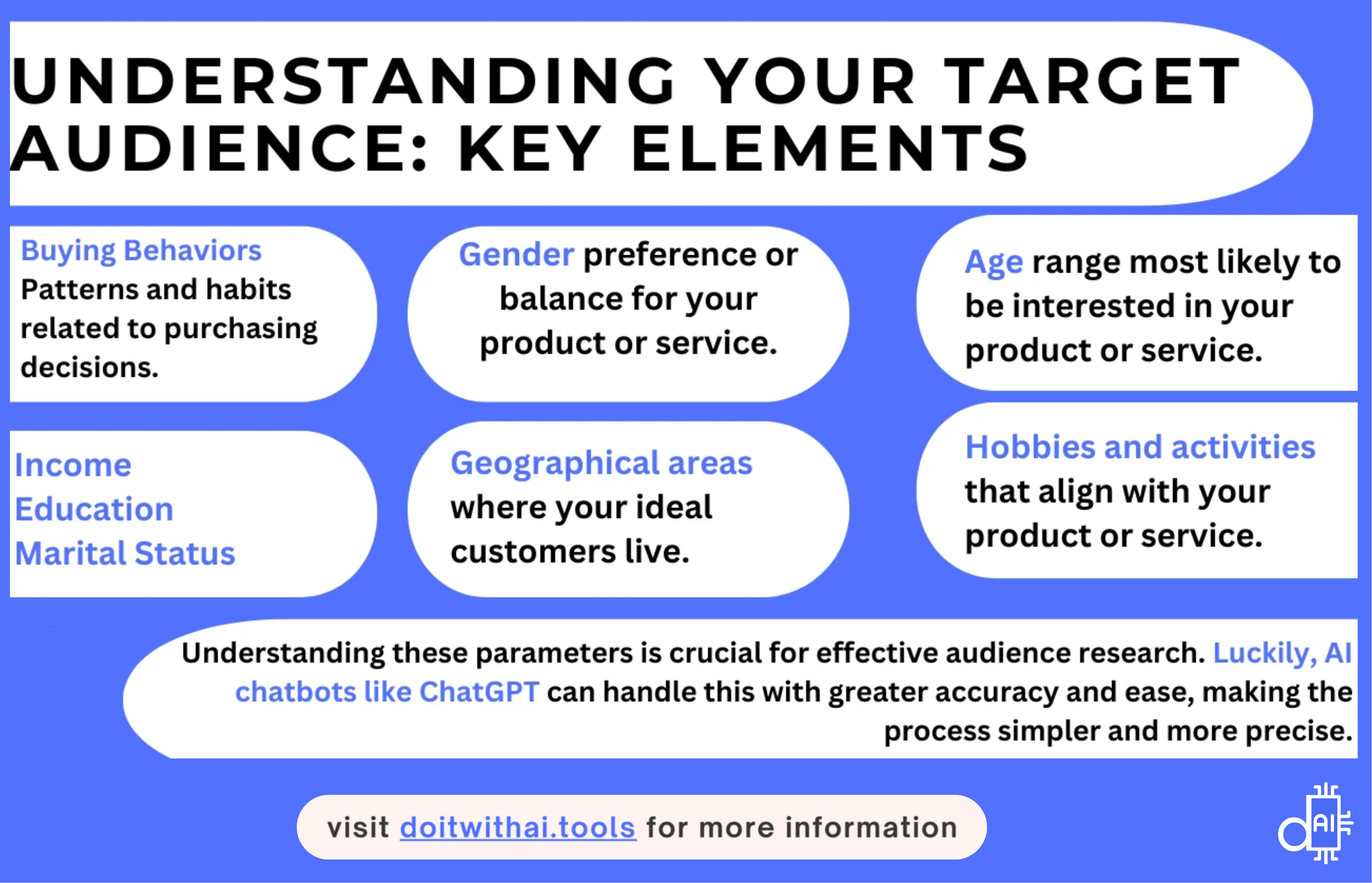
These fields are optional. Include them only when relevant and supported by evidence.
Build a small evidence pack
Collect anonymized customer questions, interview notes, survey responses, support issues, and relevant analytics.
Assign each record a source identifier, date, and context. Keep direct observations separate from your interpretation.
Record how the evidence was collected. A few forum comments can reveal questions without representing the whole market.
Remove unnecessary personal information before supplying research to an assistant. Follow the applicable consent and data-handling requirements.
GOV.UK guidance on learning user needs
Prompt to organize research evidence
1
2
3
4
5
6
7
8
Help analyze this anonymized audience evidence.
Business and research question: [brief]
Evidence with source IDs and dates: [records]
For each proposed theme, list supporting source IDs and counterexamples.
Separate observations, interpretations, hypotheses, and unknowns.
Do not invent quotes, demographic details, percentages, or buying behavior.
Flag sampling limitations and ambiguous statements.
Suggest follow-up questions for the most important uncertainties.
Review every cited record. An assistant can attach the wrong source, miss a contradiction, or make a pattern sound stronger than the evidence supports.
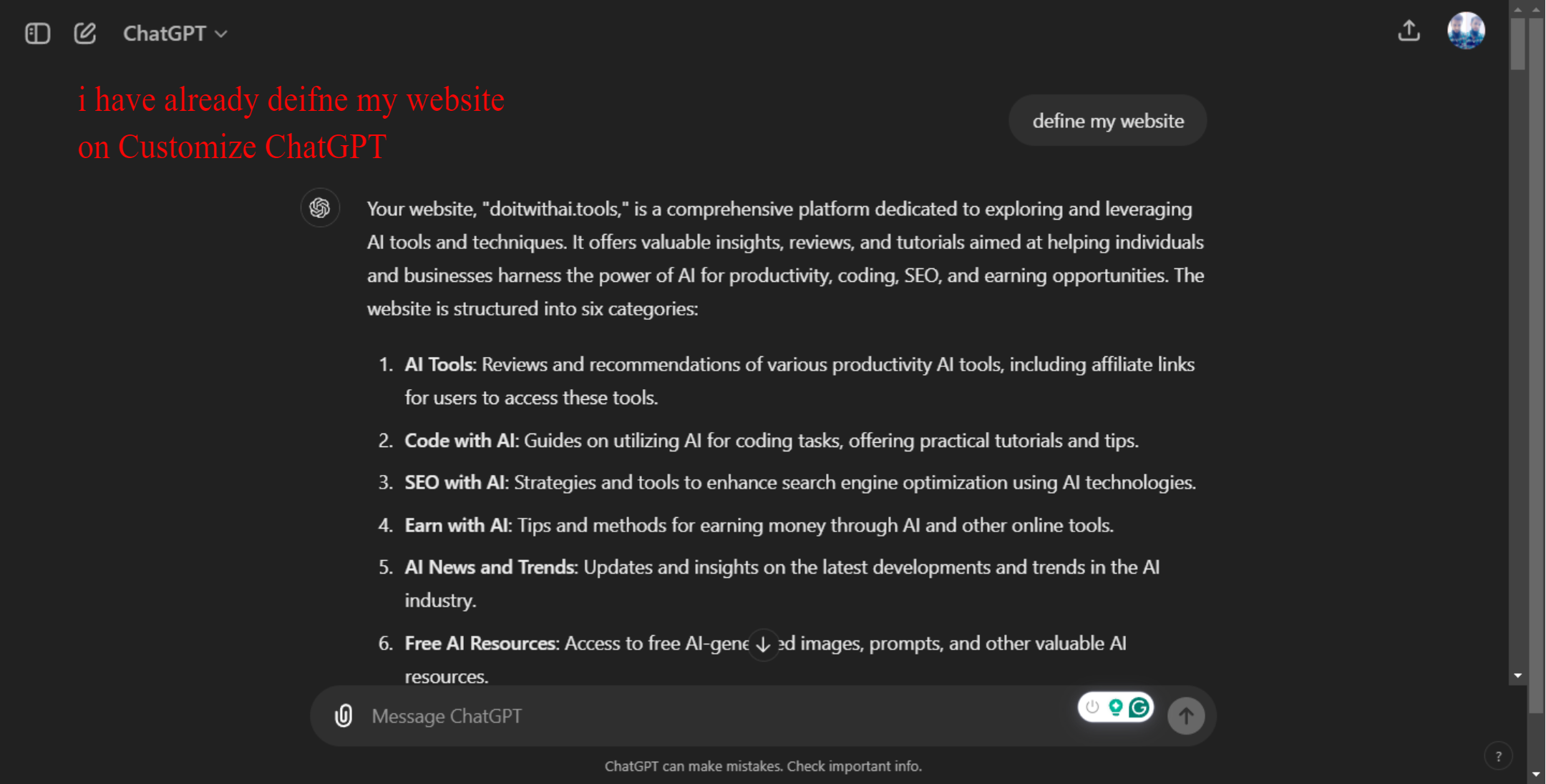
A business brief supplies context. It does not independently establish customer characteristics.
Prompt to create a research-based buyer persona
1
2
3
4
5
6
7
Draft a working persona using only the evidence-supported themes below.
Verified themes and source IDs: [themes]
Decisions the persona must inform: [decisions]
Include tasks, obstacles, relevant knowledge, and questions.
Mark unsupported fields unknown. Do not invent income, age, platform preferences, motivations, or quotations.
If a fictional name helps readability, label it fictional.
List the supporting evidence, important exceptions, and research still needed.
A persona should make its evidence visible. Keep unsupported information unknown rather than asking AI to complete every field.
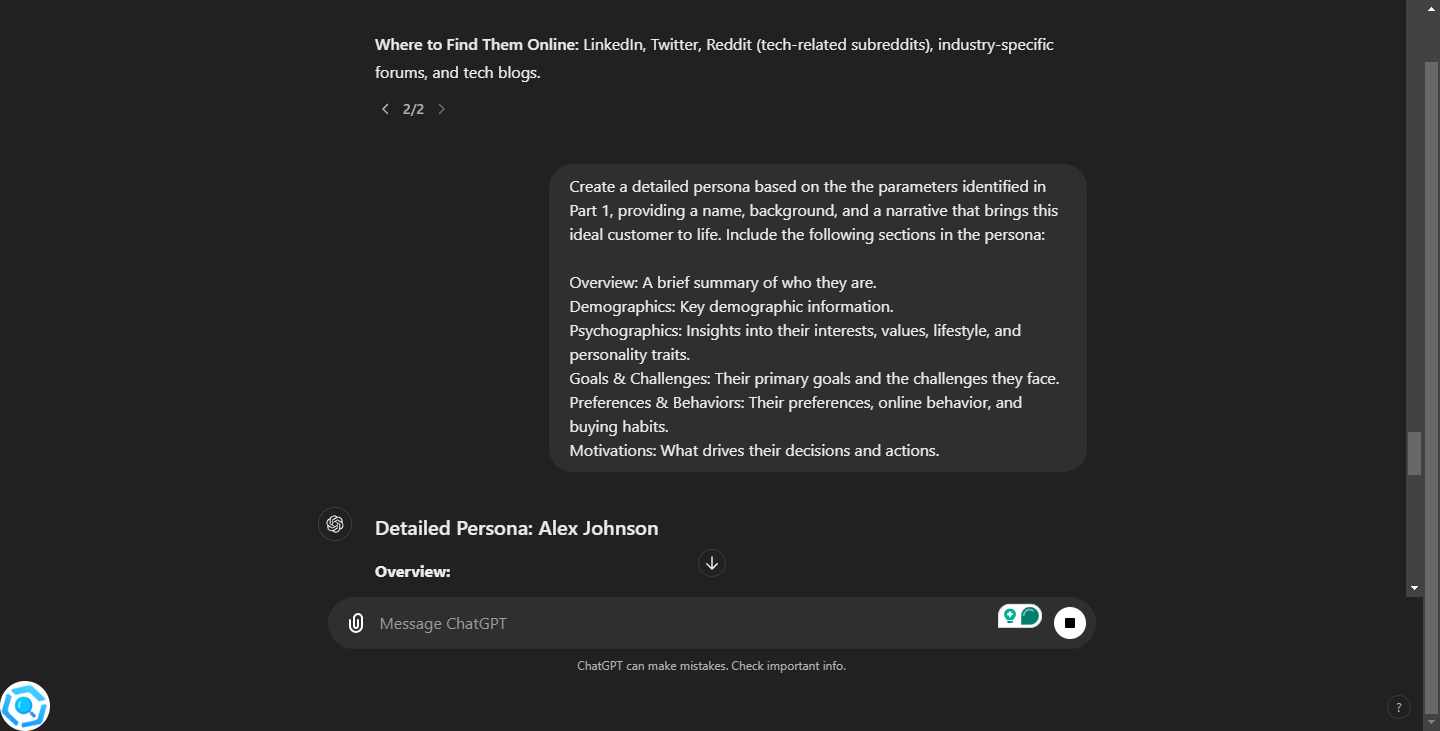
This earlier prompt illustrates persona drafting. Use the evidence constraints above when creating a current version.
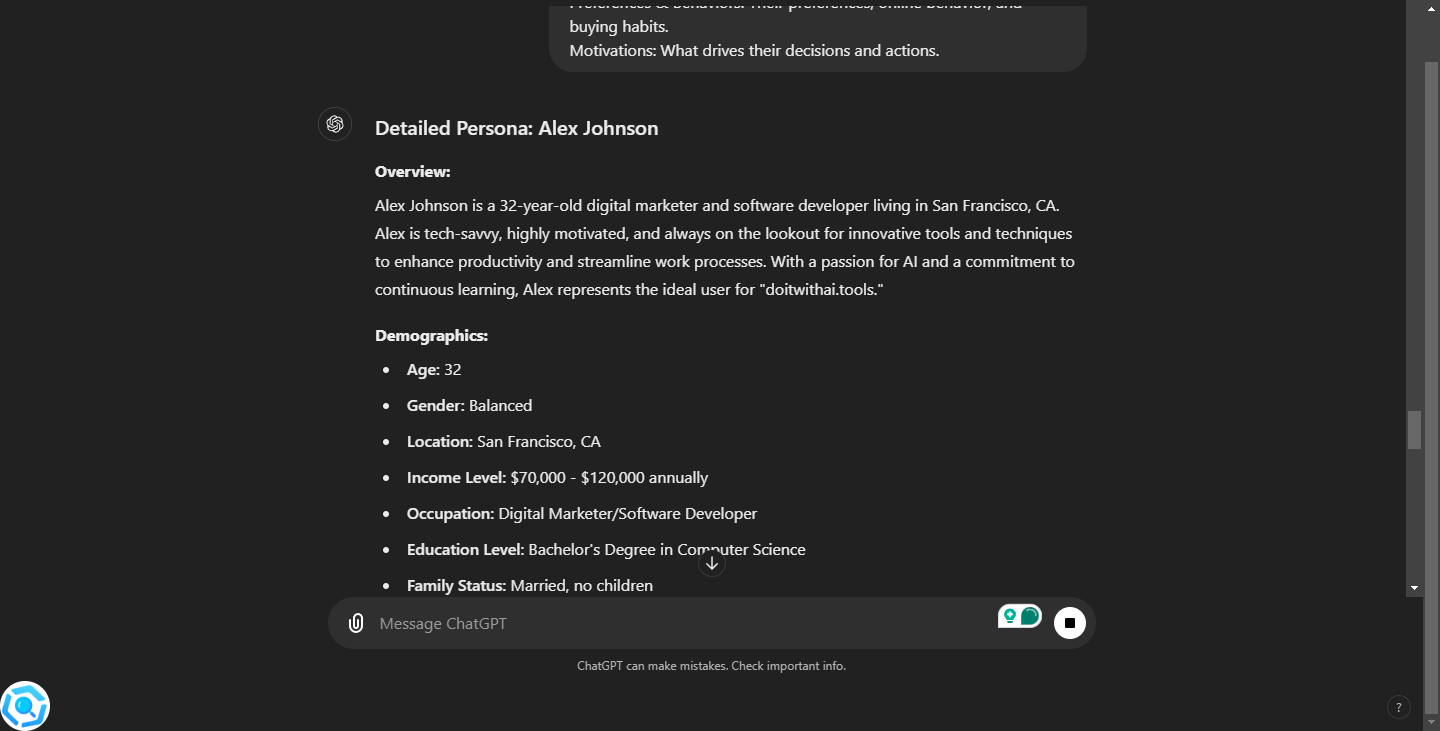
Generated demographic and motivational details are hypotheses unless independently supported.
Illustrative example: from a vague persona to a testable need
Weak persona: 'A 28-year-old marketer earning a high salary who loves AI tools and uses Instagram every day.'
This description contains unsupported details and does not explain the task.
A more useful hypothesis: 'A small-site editor needs to check AI-written metadata before publishing, because invented claims create extra review work.'
That is still a hypothesis until relevant customer evidence supports it. It suggests useful interview questions and a concrete content problem.
Ask when the problem last occurred, what the person did, and which part was difficult. Avoid leading questions that invite agreement.
What to do when you have no customer data
Ask AI to propose possible audience groups and research questions. Label the output as a research plan, rather than findings.
Talk to actual or likely users and review relevant customer evidence before using a proposed persona to make important decisions.
Public discussions can suggest language and problems to investigate. Check dates and context, and do not present forum participants as representative survey respondents.
1
2
3
I do not yet have customer evidence for [business]. Suggest audience hypotheses and questions to investigate.
Label every audience characteristic as unverified. Do not fabricate market size, survey results, or customer quotes.
Explain what evidence would support or challenge each hypothesis.
Validate themes before turning them into strategy
Compare themes with the original records. Look for exceptions and differences between customer groups.
A count in your notes is not automatically a market percentage. Keep the sample size and collection method visible.
Test messages or content with relevant readers. Measure outcomes rather than assuming a persona guarantees sales, loyalty, or growth.
GOV.UK guidance on analyzing research sessions
Using community prompts and tool interfaces
A prebuilt persona prompt can organize a draft. Inspect whether it requests invented demographics or treats guesses as facts.
Tool screenshots below show earlier interfaces. Access and features may change, and no prompt verifies an audience automatically.

Illustrative draft or interface. Any generated audience detail must be checked against evidence.
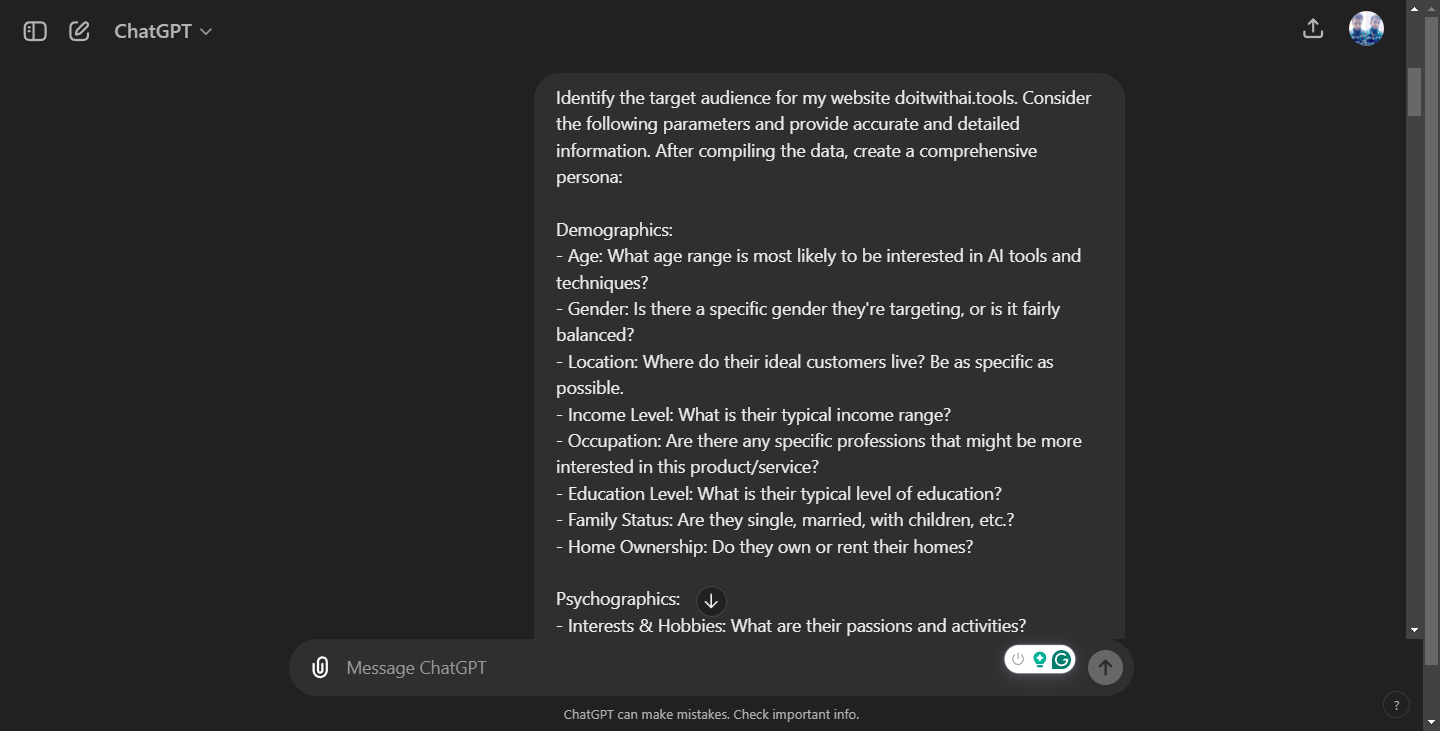
Illustrative draft or interface. Any generated audience detail must be checked against evidence.
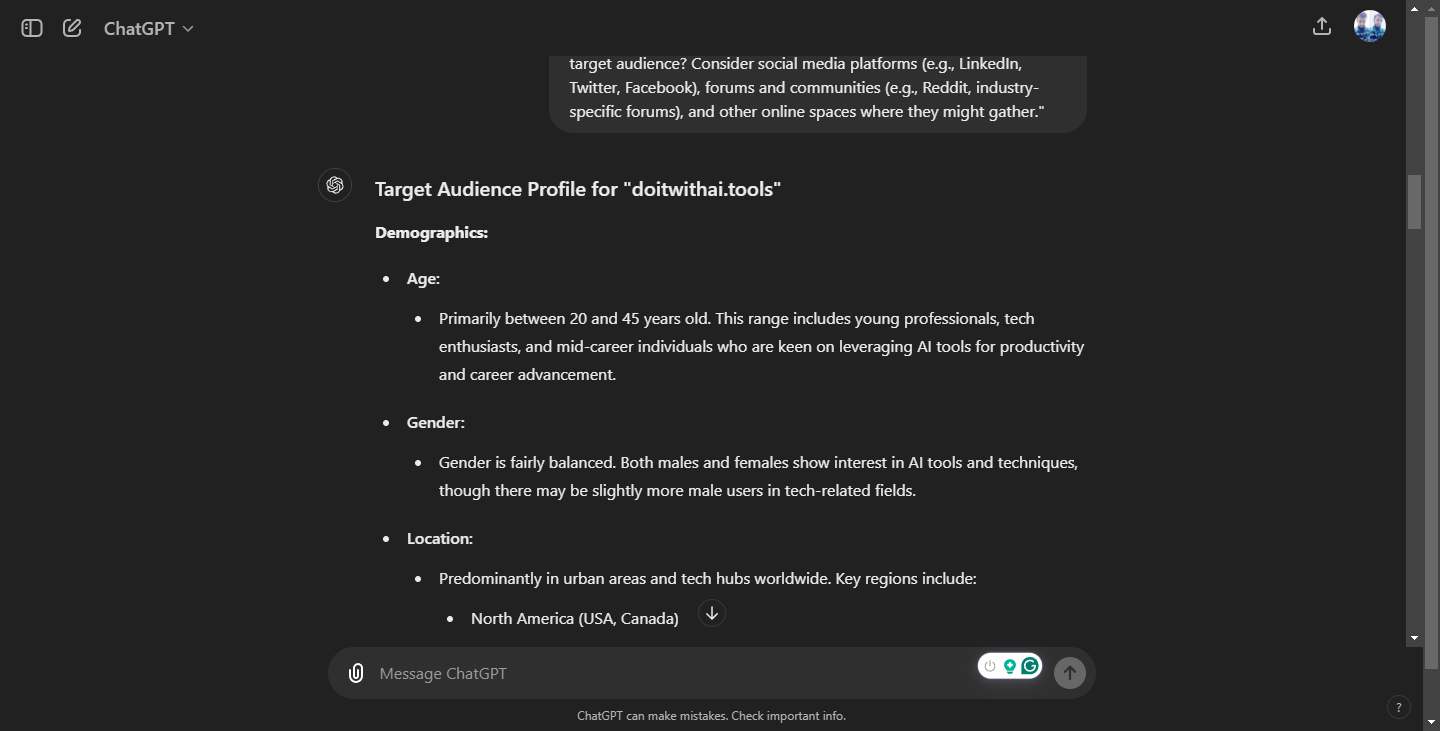
Illustrative draft or interface. Any generated audience detail must be checked against evidence.
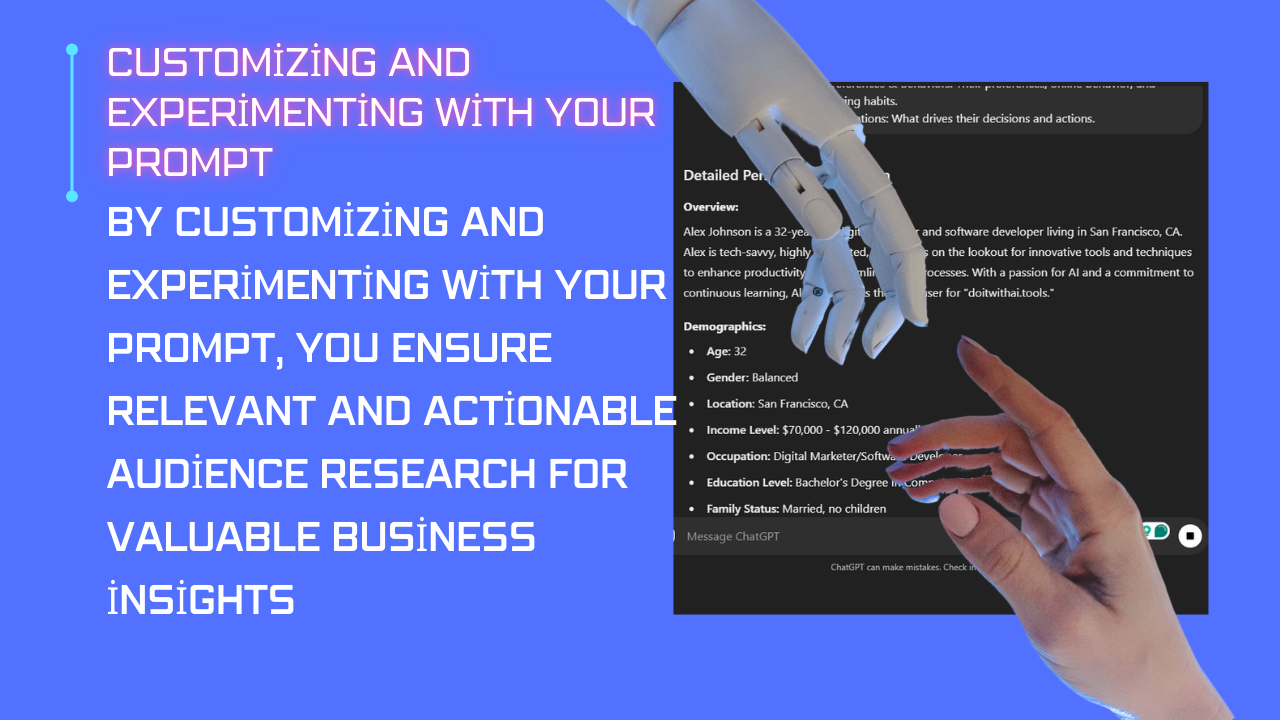
Illustrative draft or interface. Any generated audience detail must be checked against evidence.
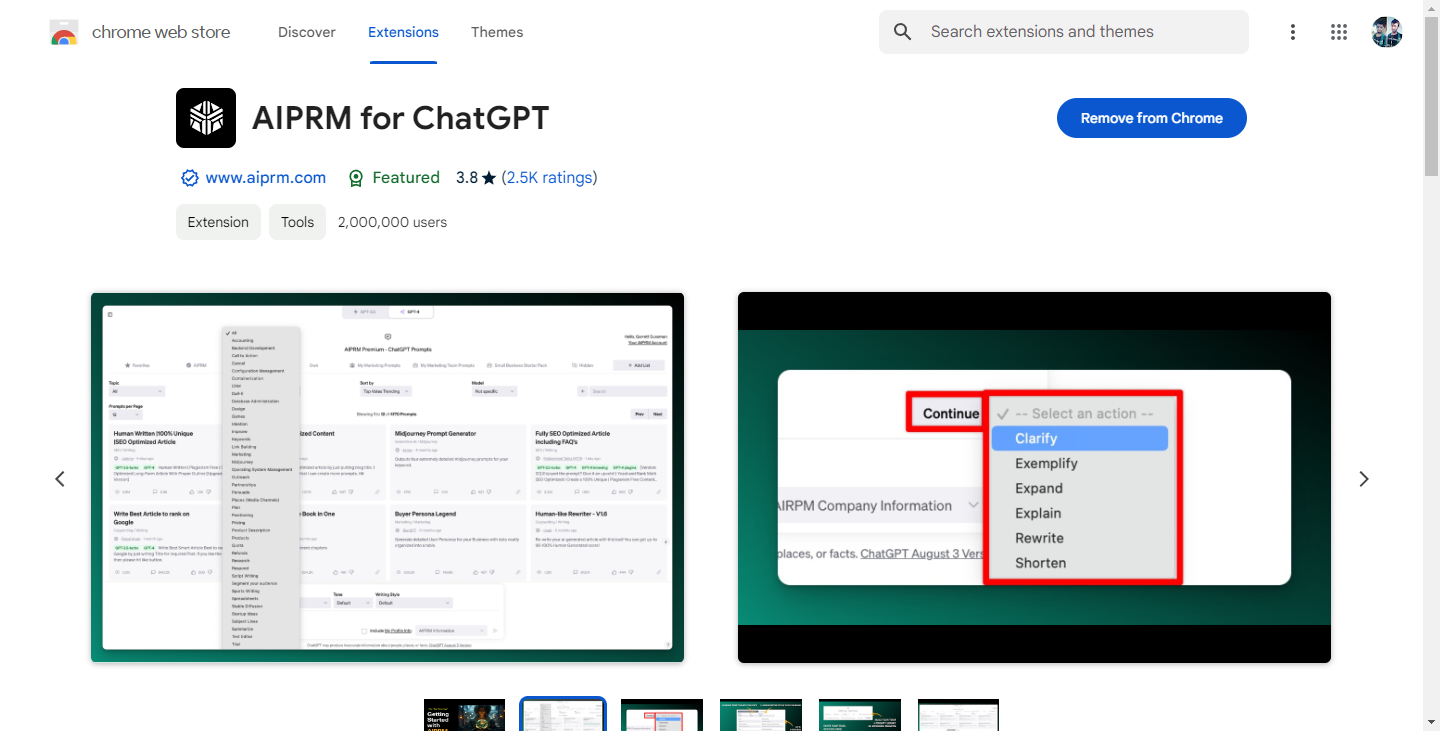
Illustrative draft or interface. Any generated audience detail must be checked against evidence.
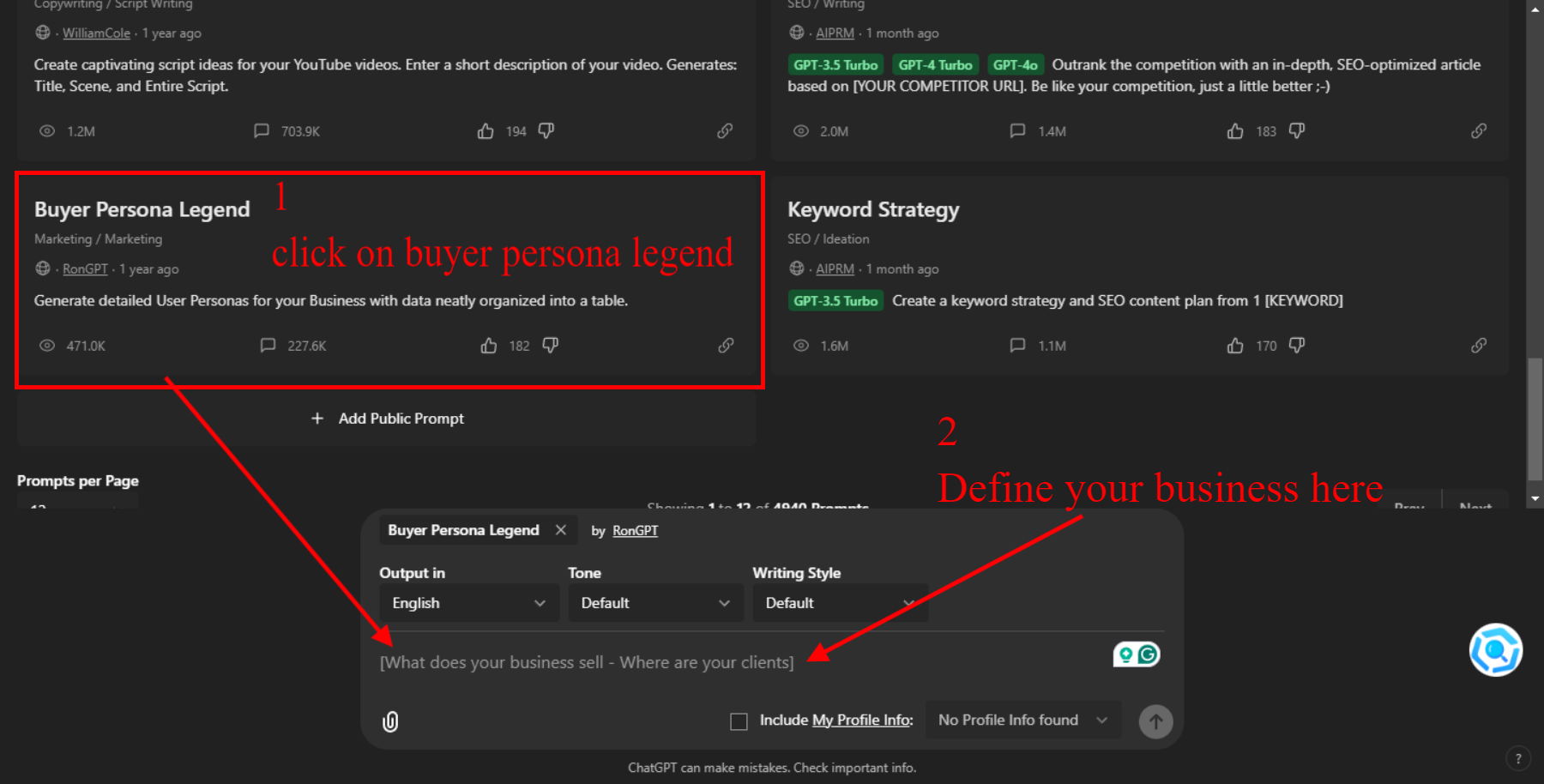
Illustrative draft or interface. Any generated audience detail must be checked against evidence.
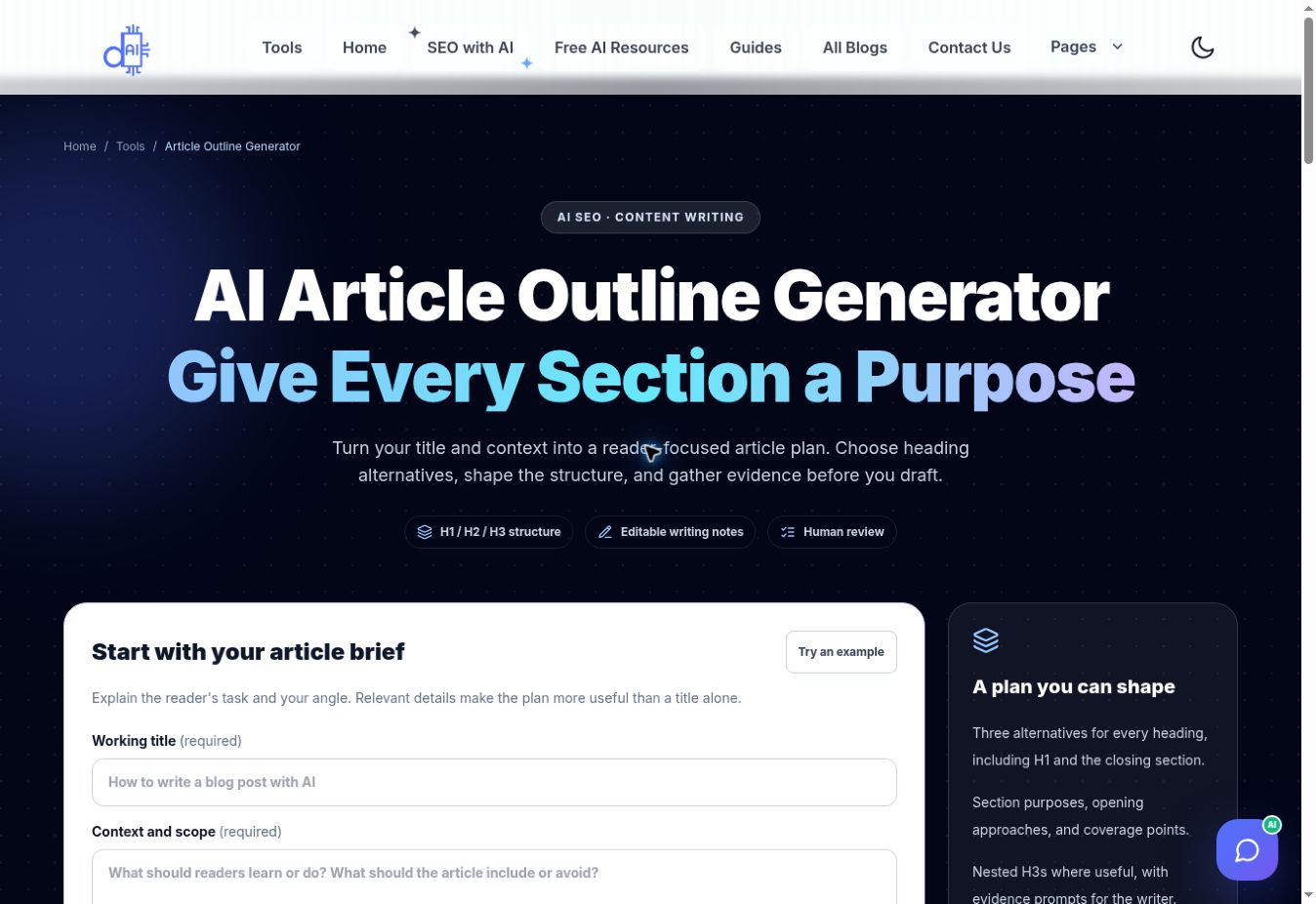
Illustrative draft or interface. Any generated audience detail must be checked against evidence.
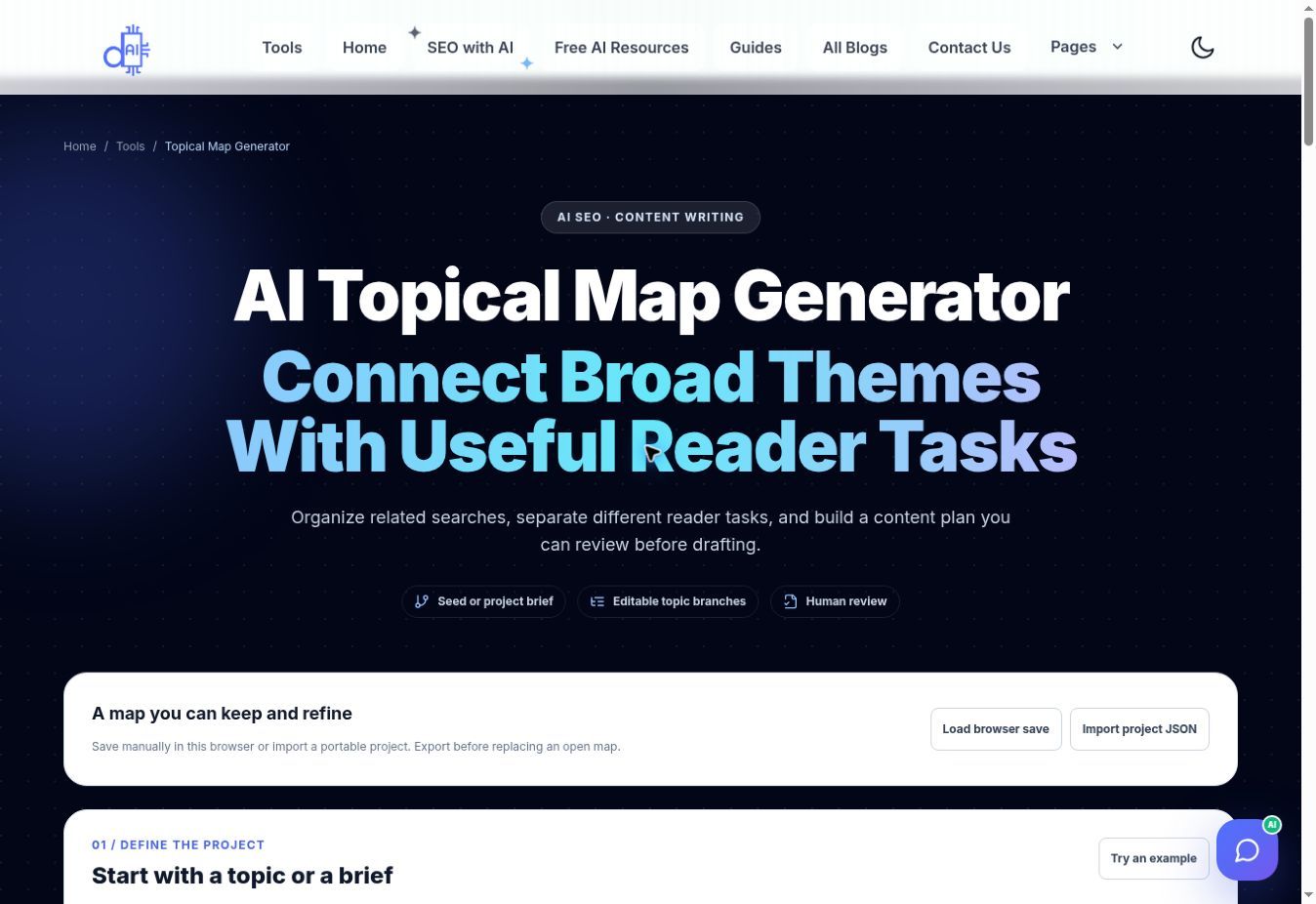
Illustrative draft or interface. Any generated audience detail must be checked against evidence.
Turn validated needs into content briefs
Choose a supported task, the reader's knowledge level, and the question your page will answer. Record why the page is useful.
Use AI to suggest sections, then check each section against the evidence. A topical map generates possibilities without proving search demand.
Use the Article Outline Generator
Next: keyword research with ChatGPT
Final audience-research checklist
Can each factual detail be traced to a source? Are fictional names, hypotheses, and unknowns clearly labeled?
Have you considered contradictory evidence and people whose needs differ from the main group?
Does the persona guide a real decision, rather than merely looking complete? Set a review date and update it when evidence changes.
Frequently Asked Questions
Find quick answers to common questions
It can suggest hypotheses. Validate them with actual or likely customers and relevant evidence.
Supply anonymized research with source identifiers, dates, tasks, questions, and observed behaviors.
Include those details only when relevant and supported. Unsupported fields should remain unknown.
They can suggest questions to investigate. They do not automatically represent the market or establish search volume.
Yes, if it helps communication and is clearly labeled fictional. Do not invent evidence or customer quotations.
No. Test decisions and measure outcomes in your own context.
Still have questions? Contact our support team for personalized assistance.
Sufian Mustafa
Sufian Mustafa is an AI SEO Strategist, Developer, and the founder of Do It With AI Tools.
Following an 18-month deep-dive into AI-assisted development, Sufian built this platform from the ground up to serve as a hub for battle-tested workflows and practical AI resources.
By combining technical expertise with advanced prompt engineering, he builds high-performance content engines optimized for modern AI search (GEO/AEO)
Mission: Help creators 10x their productivity using the same strategies he uses to maintain 99% technical SEO health and top rankings.